Windows|10–12 minutes Read
Top Windows Tools & Indicators for Day Trading: What Actually Helps in Real Market Conditions
Ethnickoti

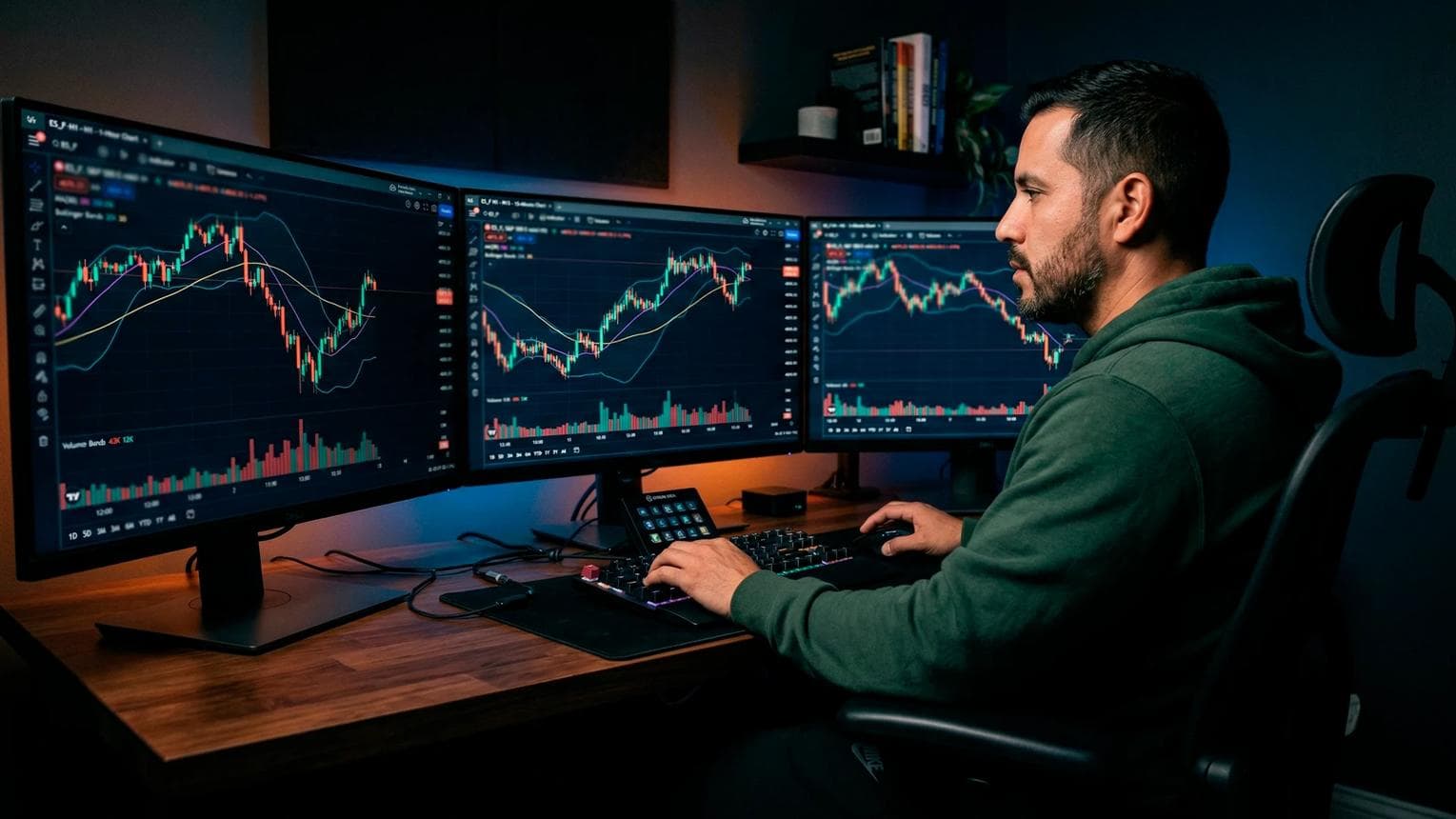
Open any trading setup on a Windows PC and you’ll notice something quickly. There’s no single “correct” way things are arranged. Some screens are clean and almost quiet. Others look like a cockpit during turbulence.
And somewhere in between those two extremes is where most real trading actually happens.
The uncomfortable truth is this: tools don’t fix hesitation. Indicators don’t replace judgment. But they do shape how you react when price starts moving faster than expected.
It’s not glamorous. But Windows machines still sit at the center of most serious day trading desks. Not because they’re trendy, just because they handle pressure better when things get messy.
Multiple charts open. A scanner running in the background. A broker terminal flashing positions. It adds up fast.
And when markets spike, even a half-second delay feels personal.
Most beginners start by collecting platforms. TradingView, MetaTrader, something for news, something for execution. It piles up quickly.
But in practice, only a few categories end up doing most of the heavy lifting.
TradingView Desktop tends to show up early in most traders’ journeys. It’s simple to read, which sounds basic until you compare it with cluttered alternatives.
There’s a strange thing that happens here: clarity reduces hesitation. Not always, but often enough to matter.
MetaTrader 5 still sits in this category for forex and CFD traders. It doesn’t feel modern in the glossy sense. It feels stable, almost stubborn.
That stability is why it survives.
Zerodha Kite plays a similar role for Indian markets. Minimal interface, fast execution, fewer distractions. You trade, you move on. No drama.
This is where things get interesting. Tools like Finviz, Benzinga Pro, or Trade Ideas don’t just show data. They decide what enters your attention.
And attention is expensive in trading. Probably more expensive than people admit.
Indicators are not predictions. They’re reflections. A lagging story of what price has already done.
Still, they help. Just not in the way beginners expect.
EMA and SMA lines are often the first thing traders learn. They smooth out noise, show direction, and sometimes act like invisible support zones.
But here’s the catch. In fast markets, they lag. And that lag can feel uncomfortable when timing matters.
RSI (Relative Strength Index) sits between 0 and 100, but most traders only care about two zones: above 70, below 30.
Overbought. Oversold. Sounds clean on paper. In reality, markets can stay “overbought” longer than you’d expect.
It’s better treated as context, not a trigger.
MACD tracks momentum differences between moving averages. It looks decisive on charts, almost confident.
But it reacts after movement begins. That delay is both its weakness and its filter. It removes noise, but it also removes urgency.
When price squeezes inside tight bands, something usually gives. Not always in the direction you expect, though.
Breakouts, fakeouts, sharp reversals… this indicator shows tension more than direction.
Volume confirms whether a move has weight behind it. Without it, price can feel… hollow.
VWAP sits differently. It’s not flashy. But intraday traders often treat it like a reference point for “fair” price action.
Above VWAP, bias leans bullish. Below it, the mood shifts quietly.
Some tools don’t execute trades at all. They just help you see differently.
TrendSpider leans into automated technical analysis. TC2000 is fast with scanning and charting. Both reduce manual effort, but also quietly shape what you focus on.
That influence is subtle. Worth noticing.
Stop-loss calculators, position sizing tools, trading journals… none of these feel exciting. They don’t look impressive either.
But they’re often the difference between a manageable loss and a frustrating month.
Most losing trades don’t come from bad indicators. They come from misreading context.
A perfect setup in the wrong market condition still fails. A simple setup in the right condition often works better than expected.
That mismatch is where experience slowly builds.
Tools don’t create discipline. They only reflect it.
Ethnic Koti Editorial Team. (2026). "Top Windows Tools & Indicators for Day Trading: What Actually Helps in Real Market Conditions". Ethnickoti Blog. Retrieved from https://ethnickoti.com/blog/windows-day-trading-tools-indicators-guide
Join the conversation. Be respectful and helpful.