Snapchat|15 minutes Read
Beyond the Filter: Why Snapchat’s AI Integration is Changing the Future of Digital Connection
Ethnickoti

I remember when Snapchat was just about sending a grainy photo of a sandwich or a weird selfie that disappeared in ten seconds. It felt private. It felt chaotic. It was, more than anything, a way to be unpolished with your friends. But if you look at the app today, something fundamental has shifted. We aren’t just sending ephemeral snaps anymore. We are hanging out in a digital space that feels like it’s starting to think back at us. That’s the AI influence at work, and honestly? It’s weirder and more interesting than the headlines suggest.
For a long time, augmented reality or AR felt like a gimmick. You’d slap some dog ears on your face, giggle for a second, and move on. But that era is effectively dead. Snapchat has turned its lens into a bridge between the physical world we walk through and a digital layer that knows exactly what it's looking at. This isn't just about fun filters; it’s about how we interact with information and each other on a day-to-day basis.
You’ve probably noticed that the app feels a bit smarter. You point your camera at a plant, and it tells you what it is. You aim it at a recipe, and it gives you instructions. This is where the real change lies. Snapchat is moving away from being a mere social app toward becoming a utility layer for our lives. It’s not just capturing a memory; it’s translating reality into something usable.
Think about the friction in our daily lives. You’re trying to build a piece of furniture, you’re lost in a city, or you’re trying to translate a menu in a foreign language. Usually, you’d leave the social app, jump over to Google or a dedicated tool, and hunt for an answer. Now, the context is already there. The camera becomes the interface. It’s almost startling how quickly we’ve accepted that our phones should just 'know' things by looking at them.
The lens used to be a mask. Now, it’s a portal. When Snapchat integrates AI, it’s not just adding pixels to a face; it’s calculating depth, light, and geometry in real-time. This is sophisticated computing disguised as a casual social experience. I’ve spent time testing how the app interprets physical environments, and the speed at which it identifies objects is genuinely impressive. It takes the abstract concept of AI and grounds it in our immediate surroundings.
We need to talk about the My AI aspect. People have complicated feelings about chatty bots. At first, it felt like an intrusion. Why would I want a chatbot in my message feed? But after a few weeks, the annoyance fades into a strange sort of convenience. It’s not about replacing real friends; it’s about having a low-stakes companion that helps you figure out plans, summarize a long thread of messages, or just kill a few minutes of boredom.
There is a human need for connection that this technology attempts to simulate. It’s not perfect, and sometimes it gets things wrong, but the intention is clear: to keep you inside the app. By making the environment more reactive, Snapchat keeps the digital conversation flowing even when your human friends are busy living their own lives.
If you are a creator, the game has changed entirely. You don’t need to be a coding genius to build complex AR experiences anymore. AI tools are lowering the bar for entry so drastically that high-end interactive content is now accessible to the average teenager with an idea. This creates a feedback loop: better tools lead to more creative content, which makes the app more sticky, which encourages more development.
It’s democratization in its purest form. When the tools are simple enough, the focus shifts back to creativity rather than technical capability. We are seeing a wave of creators who are building worlds inside the Snapchat app that are more immersive than many big-budget PC games from ten years ago. It’s incredible to watch.
I can’t talk about this without addressing the elephant in the room: data. Giving an app the ability to scan your world and understand your habits is a big ask. There’s a natural tension between wanting the convenience of an AI assistant and the desire for privacy. Snapchat is playing a delicate game here. They are betting that users will prioritize the utility of these features over the potential creepiness of an app that "sees" so much.
So far, the wager seems to be paying off. People are willing to trade a little bit of mystery for a lot of utility. It’s a trend I’ve noticed across almost every platform, but it’s most visible here, where the line between the camera and the content is getting blurrier by the day.
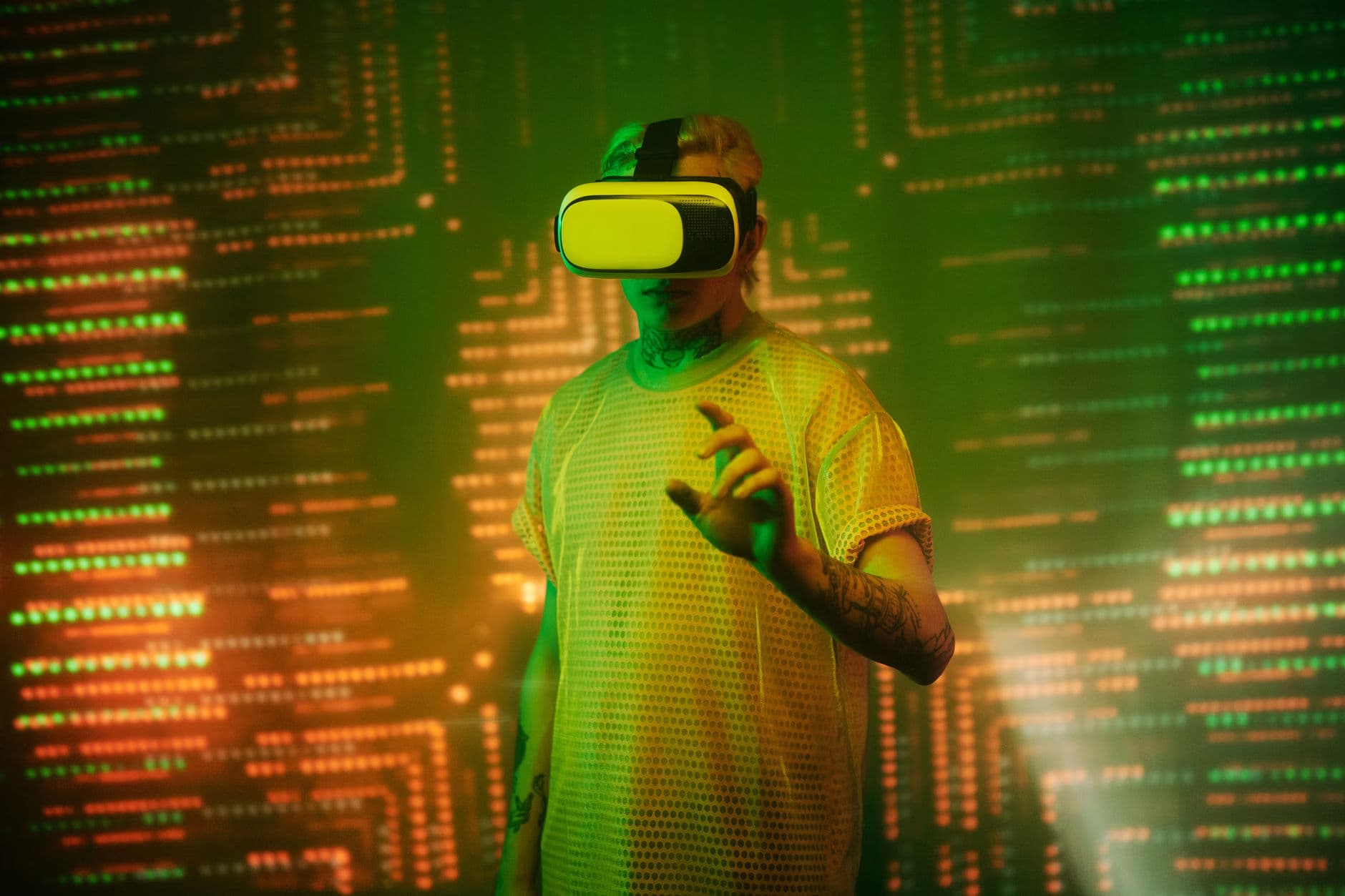
What comes next? I suspect we will see deeper integration between AR glasses and these AI features. Imagine walking down the street and having context-aware information appear in your field of vision without needing to lift your phone. Snapchat is clearly positioning itself for that reality. The app is just the training ground for the hardware that will eventually take over.
We are moving toward a world where digital connection isn't just something you check on a screen it's something that surrounds you. It’s a bold vision, and honestly, a bit daunting. But for now, I’m sticking with it. There’s something undeniably magical about pointing a camera at a blank wall and watching an AI-powered world pop into existence.
It’s not just a filter anymore. It’s the new normal.
Ethnic Koti Editorial Team. (2026). "Beyond the Filter: Why Snapchat’s AI Integration is Changing the Future of Digital Connection". Ethnickoti Blog. Retrieved from https://ethnickoti.com/blog/snapchat-ai-future-digital-connection
Join the conversation. Be respectful and helpful.