Hardware|10–12 minutes Read
Semiconductor Stocks Trading: AI Boom, Market Cycles, and What Investors Often Miss
Ethnickoti

Semiconductors don’t really behave like a “sector” in the traditional sense. They move more like a reflection of everything happening underneath modern technology at once. When demand rises for AI infrastructure, it shows up here first. When global supply chains tighten, it shows up here too. Even geopolitical tension tends to echo through chipmakers long before it appears elsewhere in the market.
That’s part of why semiconductor stocks attract so much attention. Not just from institutional desks, but also from retail traders watching charts late at night, trying to make sense of sudden spikes or sharp pullbacks that don’t always feel rational at first glance.
At a basic level, semiconductor stocks represent companies that design, manufacture, or support the production of microchips. But that definition barely scratches the surface. The ecosystem is layered, and each layer reacts differently to market pressure.
Some companies focus on chip design, where intellectual property matters more than factories. Others operate massive fabrication plants that cost billions and run around the clock. Then there are equipment makers whose fortunes depend on whether chipmakers decide to expand capacity this year or pause everything for a cycle or two.
Names that frequently come up in discussions include NVIDIA, Intel, AMD, Qualcomm, Broadcom, and Taiwan Semiconductor Manufacturing Company. Each sits in a slightly different corner of the industry, and treating them as interchangeable can lead to distorted expectations.
The artificial intelligence wave didn’t just increase demand for chips. It reshaped what “demand” even means in this space.
Before AI infrastructure scaled aggressively, chips were largely tied to predictable cycles: smartphones, PCs, servers. Now the demand curve looks more concentrated, more urgent, and at times almost unevenly distributed. A single model training run can require infrastructure that previously would have taken years of incremental expansion.
That shift has elevated companies like NVIDIA into a different category in investor discussions. Not just as chipmakers, but as infrastructure providers for an entire computing paradigm that is still forming in real time.
Even with AI driving structural demand, the industry hasn’t escaped its cyclical nature. That’s something newer investors sometimes underestimate.
There are still moments when inventories build up faster than expected. Or when end markets pause spending. Or when capital expenditure decisions from cloud providers shift timing by a few quarters. And when that happens, semiconductor stocks tend to react quickly, often before the underlying data fully confirms what’s happening.
It can feel abrupt. A stock that seemed unstoppable one month suddenly starts drifting sideways or worse. This is not unusual behavior here; it’s almost built into the structure of the industry.
Some traders approach semiconductors as pure momentum instruments. Earnings surprises, AI announcements, or supply updates can trigger rapid price movement. The challenge is that momentum here can reverse just as quickly as it builds.
This is where a lot of short-term interest sits. Semiconductor stocks rarely move in straight lines. They expand, pull back, then expand again. Traders try to capture those waves rather than predict the entire trend.
Long-term investors tend to focus less on short-term volatility and more on structural adoption: AI compute, electric vehicles, cloud infrastructure, and automation. The logic is simple, though not easy in practice bet on the continued expansion of computing demand.
NVIDIA sits at the center of AI compute discussions. Its GPUs have become closely tied to training large-scale models, which keeps demand highly visible and, at times, speculative.
TSMC operates differently. It doesn’t design chips in the same way. Instead, it manufactures them for many of the world’s leading technology companies. That makes it quietly essential, even if it doesn’t always dominate headlines in the same way.
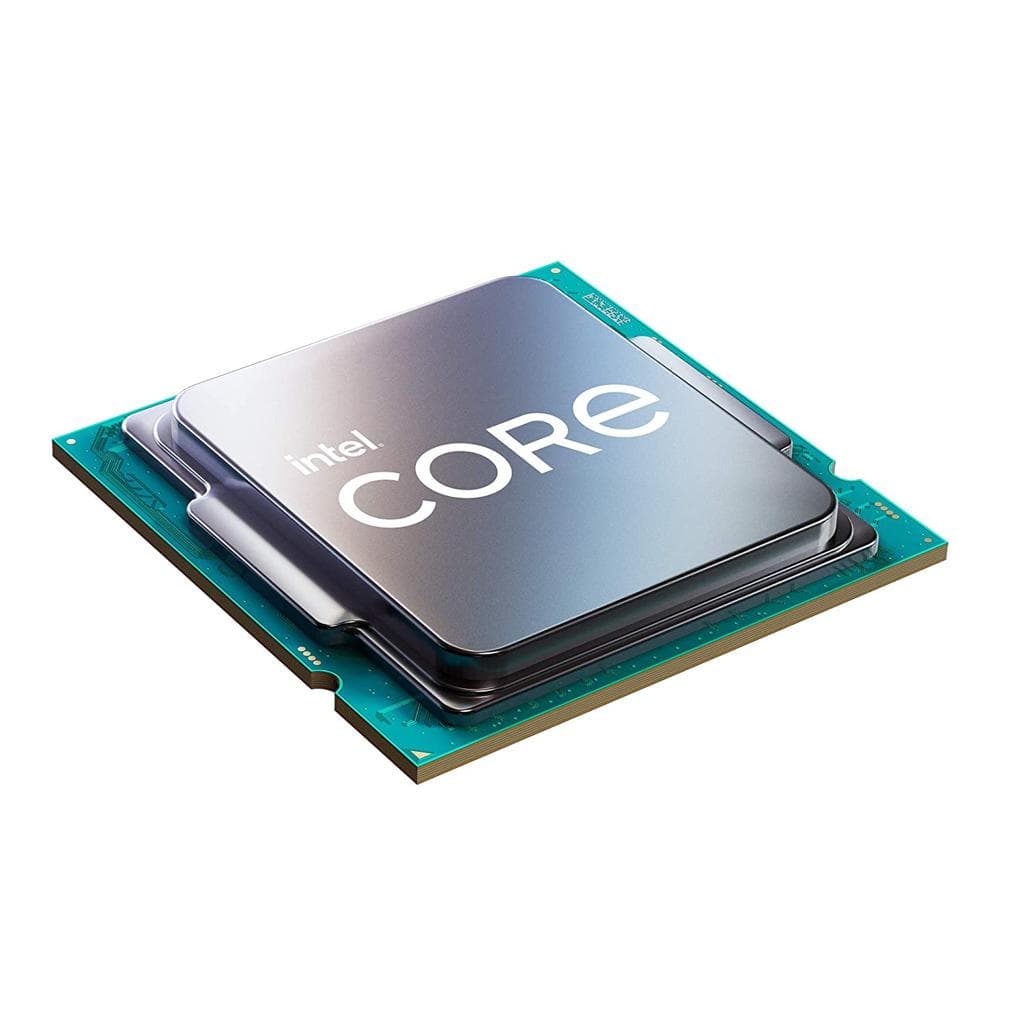
Intel is in a more complex position, balancing legacy dominance with aggressive attempts to expand manufacturing capabilities and regain leadership in certain segments.
AMD competes across CPUs and increasingly in AI-related workloads, often benefiting when buyers look for alternatives in a concentrated market.
Qualcomm and Broadcom play more specialized roles, deeply embedded in mobile connectivity, networking, and infrastructure layers that quietly power much of modern communication.
Semiconductor investing often feels like a story about innovation. But underneath that narrative are risks that can move quickly and sometimes unexpectedly.
Geopolitical friction is one of the most significant. A large portion of advanced manufacturing is concentrated in specific regions, and any disruption there can ripple globally.
Then there’s valuation sensitivity. These companies often trade on expectations of future growth rather than current earnings alone. That creates space for sharp corrections when sentiment shifts.
And finally, there’s the simple reality of technological competition. Today’s leader can face pressure faster than most industries are used to.
Looking forward, semiconductor demand is likely to remain closely tied to AI expansion, but not in a straight line. It rarely is.
We’re already seeing increased investment in fabrication facilities, especially as countries treat chip production as strategic infrastructure rather than just industrial output. That shift alone could reshape where capacity is built over the next decade.
At the same time, computing demand is becoming more distributed. From edge devices to autonomous systems, chips are no longer just about data centers. They’re everywhere, quietly expanding their footprint.
Semiconductor stocks are rarely calm. Even the long-term charts tend to reflect waves rather than steady climbs.
That’s not necessarily a drawback. It just means the sector rewards patience in some moments and discipline in others. Sometimes both at the same time, which is where things get interesting and a little uncomfortable.
Earnings expectations, AI-related demand signals, and capital spending from large tech companies tend to move prices the most. Even small shifts in guidance can lead to outsized reactions because investors constantly try to price future demand.
They can be, but the volatility is not always beginner-friendly. Prices can swing sharply based on news or cycles. Many beginners prefer starting with diversified exposure before focusing on individual chip companies.
Because supply and demand rarely stay balanced for long. When demand rises, companies expand capacity. That expansion often overshoots, leading to periods of oversupply and slower pricing.
Companies involved in high-performance computing, especially GPU and AI accelerator makers like NVIDIA, tend to be most directly exposed. Foundries like TSMC also benefit indirectly as production demand rises.
A mix of geopolitical concentration and rapid technological disruption. Manufacturing is heavily centralized in a few regions, and innovation cycles can shift competitive leadership faster than expected.
Ethnic Koti Editorial Team. (2026). "Semiconductor Stocks Trading: AI Boom, Market Cycles, and What Investors Often Miss". Ethnickoti Blog. Retrieved from https://ethnickoti.com/blog/semiconductor-stocks-trading-ai-boom-market-cycles-investment-guide
Join the conversation. Be respectful and helpful.