Zoom|14 minutes Read
The Death of Digital Fatigue: Mastering the Art of Intentional Connection in a Post-Zoom World
Ethnickoti

Remember that first year of the great pivot? The frantic scramble for ring lights, the awkward silence when everyone unmuted at once, the sheer novelty of seeing your boss’s bookshelf in their living room. Back then, we were just trying to keep the wheels on. We called it a necessity. We called it the future. But three, four, maybe five years on, the novelty has curdled into a specific kind of numbness. Let's call it what it is: digital exhaustion.
It’s not just that we are tired of staring at screens. It’s that we have been tricked into believing that presence is measured by pixels. We confused visibility with productivity and constant access with collaboration. But the pendulum is swinging back. The era of the reflexive video call the "let's just hop on a quick Zoom" for things that could have been a three-sentence email is gasping its final breath.
If you are feeling a phantom vibration in your pocket or a low-grade anxiety every time a notification pings, you aren't broken. You are just suffering from the residue of a workflow that prioritized speed over substance. We need to talk about how we get out of this.
Most of our digital fatigue comes from a fundamental miscalculation: we treat all communication as equal. We treat a 9:00 AM status update call the same way we treat a high-stakes strategy session. Everything is a video call. Everything is synchronous. Everything demands your immediate, high-bandwidth attention.
That is a recipe for brain mush. Your prefrontal cortex wasn't designed to decode micro-expressions on a grainy feed while simultaneously checking a Slack thread and worrying about the load of laundry you forgot to switch. It’s too much processing power for a task that isn't even asking for it.
I spoke to a creative director recently who told me his team had cut their meeting volume by sixty percent. The result? They stopped hating Mondays. They stopped burning out by Wednesday. They started actually working again. The secret wasn't a fancy new app or a productivity hack it was a simple refusal to hit 'Accept' on every calendar invite that hit their inbox.
Synchronous work is expensive. It steals your cognitive flow. Every time you are interrupted for a 'quick check-in,' you lose the momentum that took twenty minutes to build. If you do this five times a day, you have effectively killed your ability to do deep, complex work. We have normalized this theft, labeling it 'team culture' or 'collaboration.' We need to re-brand it: it’s an productivity tax.
If you want to kill fatigue, you have to prioritize asynchronous workflows. This isn't just about sending an email instead of calling. It’s about creating a culture where it is okay to wait for an answer. It’s about writing things down so clearly that a call becomes redundant.
Writing is hard. It forces you to think. That’s why we avoid it. We hide behind the safety of a meeting because it’s easier to talk in circles than to commit an idea to paper. But when you write, you refine. You clarify. And by the time you hit send, the person on the other end can process that information on their own terms, in their own flow state.
There’s a strange irony here. By trying to be more 'connected' through constant updates and check-ins, we’ve actually made our human connections shallower. We are trading depth for volume. If you speak to your team for five minutes every single day about logistics, you never actually talk to them about their ideas or their challenges.
True connection is high-touch, low-frequency. Maybe that means one really focused, camera-on, undistracted conversation once a week. Or perhaps it means picking up the phone for a quick voice note rather than a text. It’s about treating the human on the other side as a person, not a data point in your workflow.
I’ve noticed that when I stop being available 24/7, people actually respect my time more. They save the important things for when we are actually together. The trivial stuff? It usually solves itself. That is the beauty of intentionality. You aren't closing yourself off; you are clearing the clutter so the signal can finally get through.
Your environment dictates your output. If you are sitting at the same table where you eat, staring at the same glowing rectangle that keeps you up at night, your brain doesn't have a chance to reset. We are living in a 'blur' state where work is everywhere and nowhere all at once.
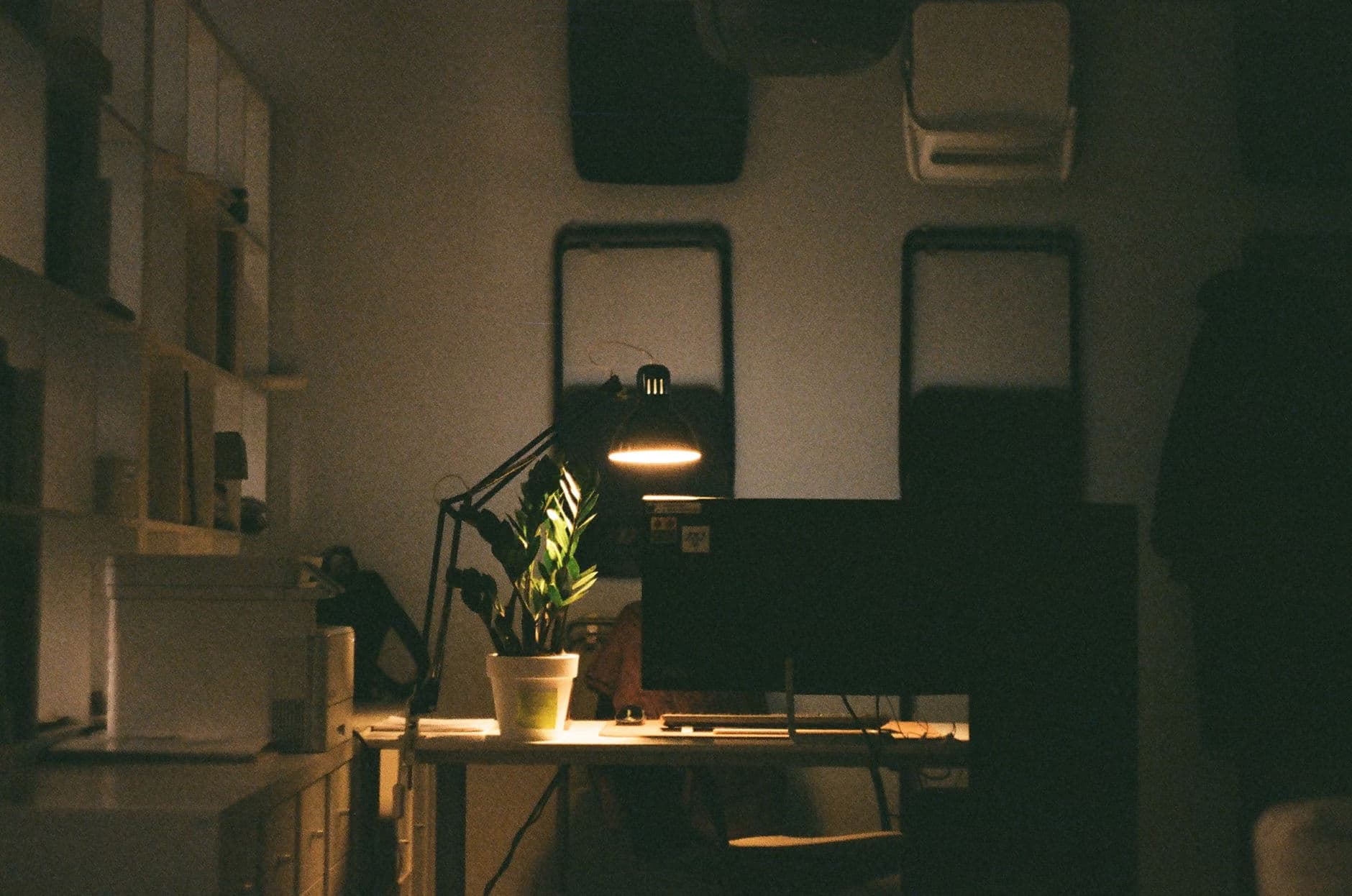
You don't need a massive office. You just need a boundary. It could be a specific lamp you turn on when you're working, or simply closing your laptop and putting it in a drawer the second you're done. Physical triggers work wonders on your psychology. Stop letting the tools of your trade run your life.
Grab a notebook. Yes, paper. When I’m stuck on a project, I leave the laptop in the other room and go for a walk with a pen and a pad. It changes the way I think. The speed of the pen is closer to the speed of thought than the speed of a keyboard. Digital tools are for execution; analog tools are for creation. Don't confuse the two.
We are not going to eliminate technology. That ship sailed. But we can change our relationship with it. The 'Death of Digital Fatigue' isn't about throwing your phone in the ocean; it's about reclaiming the agency you surrendered in the name of convenience. It’s about recognizing that you are the architect of your day, not the servant of your notifications.
Take it slow. Cut one meeting this week. Write one email that actually explains what you need instead of asking for a sync. Look out the window for five minutes without checking your phone. It feels small, but that’s how you start winning back your cognitive freedom. You aren't just protecting your focus; you're protecting your humanity.
Ethnic Koti Editorial Team. (2026). "The Death of Digital Fatigue: Mastering the Art of Intentional Connection in a Post-Zoom World". Ethnickoti Blog. Retrieved from https://ethnickoti.com/blog/mastering-intentional-connection-post-zoom
Join the conversation. Be respectful and helpful.