Internet|11–13 minutes Read
Internet Technology: The Invisible Systems That Quietly Hold Everything Together
Ethnickoti

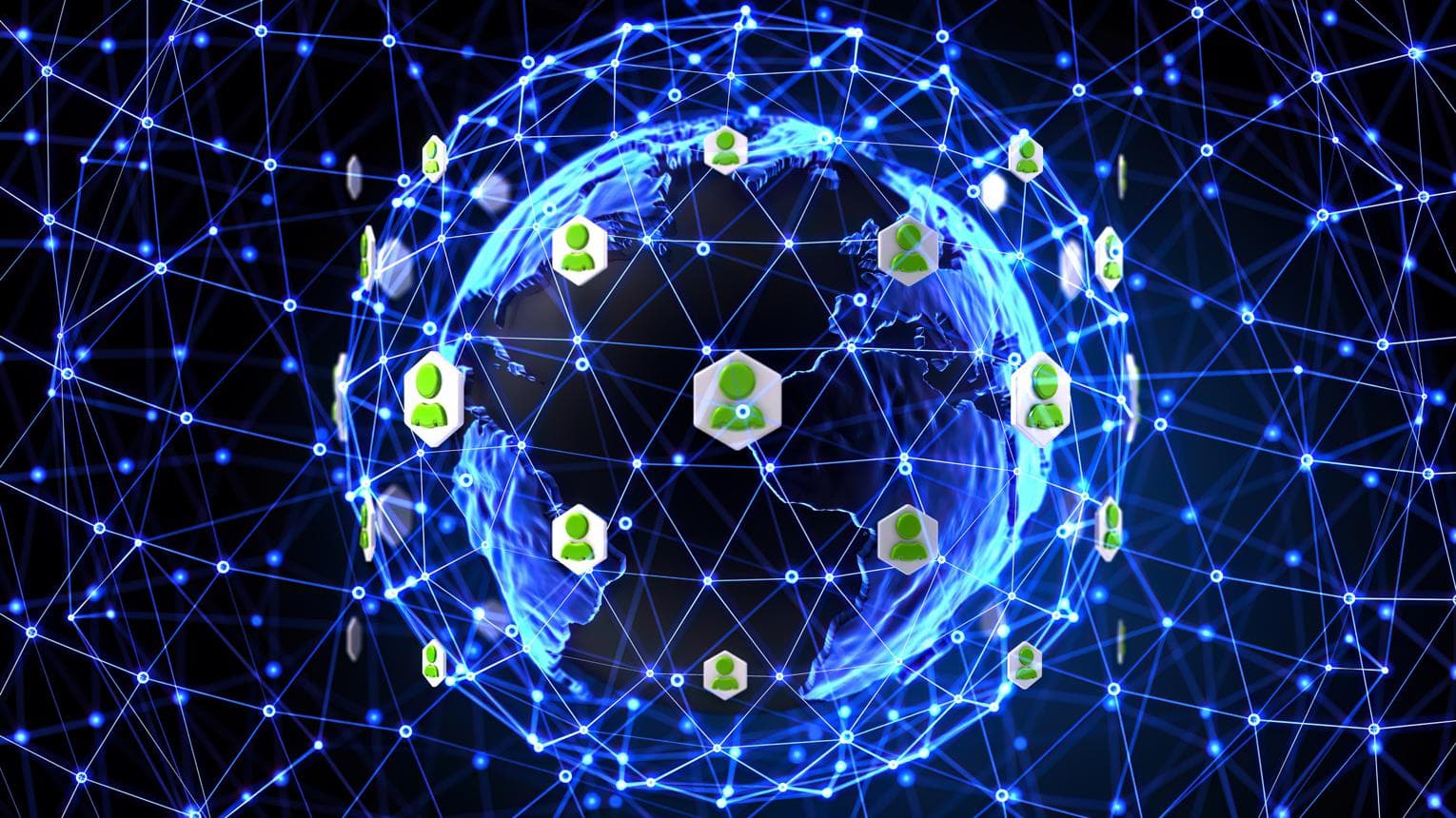
There’s something almost invisible about the internet. We tap, scroll, search, send, stream… and rarely stop to think about what actually moves behind those actions. It feels light, effortless. But underneath that ease sits a dense mesh of systems, protocols, cables, servers, and software decisions that rarely get noticed unless something breaks.
Internet technology isn’t a single invention. It’s more like a long chain of layered ideas that grew over decades, sometimes neatly, sometimes messily. The result is the digital environment most of us now depend on without thinking twice.
At its core, internet technology is just the collection of tools that allow devices to talk to each other. That sounds simple, almost too simple, but the reality is more layered. It includes the physical infrastructure like routers and undersea cables, the rules that govern communication like TCP/IP, and the software systems that make websites, apps, and platforms usable.
Think of it as a city that never sleeps. Roads, traffic signals, vehicles, rules of driving, emergency services… everything working together, often unnoticed. The internet behaves in a similar way, except the “city” spans continents.
Every website you open is the surface layer of something much deeper. Web development is split into two main sides: what you see and what you don’t.
The frontend is built using HTML, CSS, and JavaScript. These decide how a page looks, how buttons behave, and how content responds when you interact with it. Frameworks like React, Angular, and Vue.js make it easier to build complex interfaces without starting from scratch every time.
Then there’s the backend. This is where things get less visible but far more intense. Languages like Python, Node.js, Java, and PHP handle logic, data processing, and user requests. When you log in somewhere or make a purchase, it’s the backend quietly doing the heavy lifting.
Databases sit in the background storing everything from usernames to transaction history. MySQL, MongoDB, PostgreSQL… each one handles data in slightly different ways, depending on how structured or flexible it needs to be.
If web development is the storefront, networking is the entire delivery system behind it. IP addresses identify devices. DNS translates human-friendly names into machine-readable locations. Without DNS, typing a website name would feel like dialing random numbers and hoping for the best.
Protocols like HTTP and HTTPS define how data moves between browser and server. TCP/IP quietly ensures that data packets actually arrive in order, even if they take different routes across the world.
Most of this happens in milliseconds. You rarely feel it unless your connection drops. Then suddenly, the entire structure becomes obvious in its absence.
Cloud computing changed how software is built and delivered. Instead of relying on local machines, businesses now rent computing power from large data centers distributed across the world.
There are three common models. IaaS provides raw infrastructure like virtual servers. PaaS gives developers ready-made environments to build applications. SaaS delivers complete software through a browser without any installation.
AWS, Microsoft Azure, and Google Cloud dominate this space, each offering slightly different ecosystems. The shift to cloud wasn’t just technical it changed how teams collaborate, scale, and even think about software ownership.
Every connected system carries risk. Cybersecurity exists because trust alone isn’t enough.
Threats range from phishing emails that trick users into revealing passwords to ransomware that locks entire systems. Firewalls, encryption, VPNs, and multi-factor authentication act as protective layers. None of them are perfect on their own, but together they form a moving defense line.
What often gets overlooked is the human side. Most breaches don’t start with code they start with behavior.
The Internet of Things connects everyday objects to the internet. Watches, fridges, cars, medical sensors… all quietly sending and receiving data. It sounds futuristic, but it’s already embedded in daily life.
Artificial intelligence adds another layer. Recommendation systems suggest what to watch next. Chatbots respond to customer queries. Machine learning models identify patterns humans might miss entirely.
The interesting part isn’t just what AI can do, but how quietly it blends into systems people already use. Most users don’t think about it they just notice results changing over time.
5G focuses on speed and responsiveness. Lower latency means devices can communicate almost instantly, which matters for things like autonomous systems and real-time applications.
Blockchain takes a different direction. Instead of speed, it focuses on trust without central control. Transactions are recorded across distributed systems, making tampering difficult without being immediately visible.
Neither technology solves everything, but both influence how future systems are being designed.
Data never really stops moving. Every click, search, message, and transaction adds to it.
Big data tools like Hadoop, Spark, and Kafka help process enormous volumes of information. The goal isn’t just storage it’s understanding patterns that would otherwise remain hidden.
Communication platforms like email, video calls, and messaging apps sit on top of this infrastructure. They feel simple to use, but behind them is a complex orchestration of servers, compression systems, and real-time synchronization.
Online shopping depends on more than just a website. It requires payment gateways, inventory systems, logistics integration, and secure data handling. Platforms like Shopify and WooCommerce simplify this, but the underlying systems remain complex.
Web hosting keeps websites alive on servers that never really sleep. Apache, Nginx, and LiteSpeed handle traffic requests, deciding how data is delivered efficiently.
Search engines like Google rely on crawlers and ranking systems that constantly index the internet. Social platforms like Instagram or LinkedIn manage massive flows of content, filtering and organizing it in ways most users never see directly.
There’s a steady shift toward systems that feel less centralized and more responsive. Edge computing brings processing closer to users. AI keeps getting embedded deeper into infrastructure rather than sitting on top of it as a separate feature.
Quantum computing still feels distant for most real-world applications, but research continues quietly in the background. Meanwhile, cybersecurity demands grow as systems become more interconnected and harder to fully control.
Careers in this space don’t look the same as they did a decade ago. Roles now blend together developers understand cloud systems, analysts understand security, and engineers often touch multiple domains at once.
It’s less about mastering one narrow skill and more about understanding how pieces connect.
The internet doesn’t feel like a machine anymore. It feels like a layer of everyday life. Something ambient. Always there, occasionally fragile, sometimes frustrating, but deeply woven into how people communicate and build things.
And maybe that’s the strange part it works so well most of the time that its complexity fades into the background.
Ethnic Koti Editorial Team. (2026). "Internet Technology: The Invisible Systems That Quietly Hold Everything Together". Ethnickoti Blog. Retrieved from https://ethnickoti.com/blog/internet-technology-invisible-systems-guide
Join the conversation. Be respectful and helpful.