Internet|10–12 minutes Read
Internet Safety Isn’t a Setting — It’s a Habit You Build Quietly
Ethnickoti

Most people don’t wake up thinking about internet safety. They open their phone half-asleep, check messages, maybe scroll a little. It feels ordinary. Harmless, even. Until something strange happens a login alert that doesn’t make sense, a message that feels off, a link that looks just slightly wrong.
Internet safety tends to enter life quietly like that. Not as a dramatic event, more like a small discomfort that refuses to leave.
And the tricky part is this: most digital risks don’t announce themselves.
There’s a gap between how cybersecurity is explained and how it’s experienced. In explanations, it sounds technical. Passwords, encryption, authentication layers. In real life, it’s closer to hesitation.
That pause before clicking a link. That second look at a sender’s email address. That small instinct saying something doesn’t match.
Internet safety is often built on these tiny instincts long before it becomes about tools or software.
The internet got comfortable first. Then it got personal. Banking, shopping, work, medical records, private conversations all sitting behind the same screen used for memes and casual scrolling.
That overlap is where things become complicated. Convenience doesn’t always leave room for caution.
And so users end up carrying both worlds at once: ease on the surface, risk underneath it.
Malware sounds dramatic. In reality, it rarely feels dramatic at first.
A phone slows down slightly. Ads start appearing where they didn’t before. Battery drains faster than usual. Small changes people often explain away.
Viruses, worms, spyware, ransomware they don’t always arrive loudly. Sometimes they settle in quietly and wait.
That’s part of what makes them difficult. By the time they feel obvious, they’ve already been around for a while.
Phishing is almost disappointingly simple. A message pretending to be something trustworthy. A bank. A delivery service. A familiar platform.
The goal isn’t sophistication. It’s timing. A moment when someone is distracted, rushed, or slightly uncertain.
Fake login pages often look close enough to real ones that people don’t notice the difference until it’s too late. And once credentials are entered, there’s not much to undo.
The uncomfortable truth is that phishing doesn’t need to be perfect. It just needs to be believable for a second.
A lot of people imagine hacking as someone breaking through complex digital walls in real time. Sometimes it is technical. Often it’s simpler.
Weak passwords. Reused credentials. Old accounts forgotten but still active.
Once access is gained, the rest depends on what the attacker finds. Emails, financial apps, social media accounts all connected in ways users don’t always think about.
It doesn’t always feel like intrusion at first. Sometimes it feels like confusion.
Identity theft has a strange emotional weight to it. It’s not just data being taken. It’s the idea that someone else is now using pieces of your life.
Names, phone numbers, documents, financial details all reshuffled into something that doesn’t belong to you anymore, but still affects you.
The recovery process often feels slower than people expect. There’s paperwork, verification, long waiting periods. It’s rarely clean or quick.
Not all threats are technical. Some are social.
Cyberbullying moves through messages, comments, posts. It can feel persistent because it doesn’t stay in one place. Even when a device is off, the awareness of it remains.
What makes it difficult is scale. A single comment can be shared, repeated, reshaped. It stops being one moment and becomes a pattern.
And that pattern can affect confidence in ways that aren’t immediately visible.
Most internet safety doesn’t come from complicated systems. It comes from repetition of small habits.
None of this feels dramatic. That’s kind of the point. Safety online is usually built in quiet layers, not big actions.
Cafés, airports, malls public Wi-Fi feels harmless because it’s shared openly. But shared networks often mean shared exposure.
Sensitive actions like banking or logging into private accounts can carry more risk in those environments.
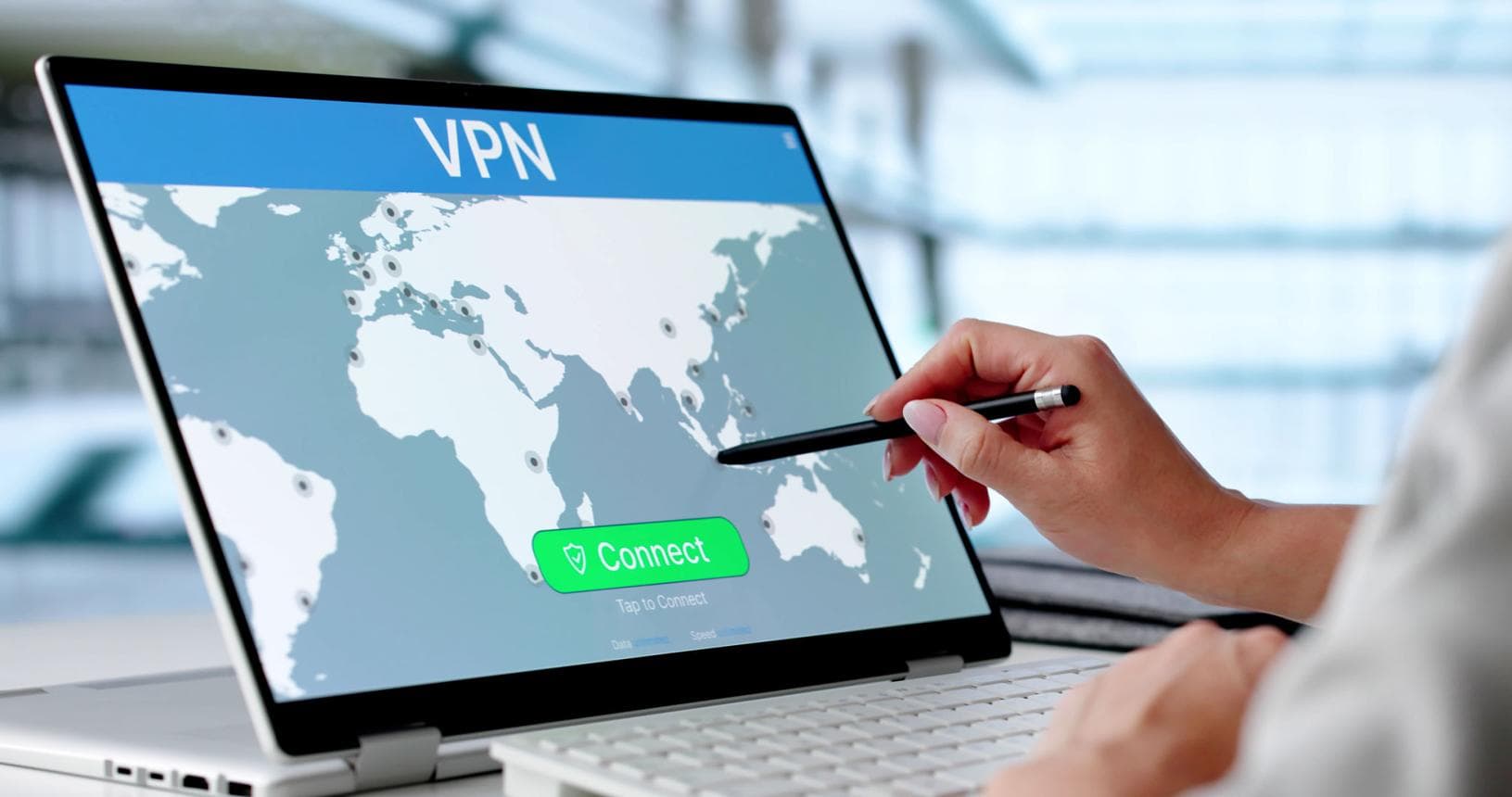
Some people use VPNs for an extra layer of privacy. Others simply avoid important logins on public networks. Both approaches come from the same idea: not everything needs to be done everywhere.
For younger users, the internet feels less like a tool and more like a space. Games, videos, conversations all blended together.
Safety here isn’t only about restriction. It’s about awareness. Teaching what should stay private. What feels safe to share. And what doesn't.
Parental controls help, but conversations matter more than most people expect. Rules without context tend to fade quickly.
For companies, internet safety becomes something closer to survival. Data breaches don’t just affect systems they affect reputation, customers, and long-term trust.
Security training, backups, encryption, access controls these aren’t optional in serious environments. They’re part of daily operations.
And even then, there’s no perfect shield. Only layers that reduce risk.
Internet safety doesn’t really sit in one place anymore. It moves with habits, devices, and decisions.
It shows up in how carefully someone checks a link. Or how often they reuse a password. Or whether they pause for a second before sharing information.
Nothing about it feels final. And maybe it shouldn’t. The internet keeps changing, and people adjust alongside it, sometimes slowly, sometimes after a mistake they don’t forget easily.
Ethnic Koti Editorial Team. (2026). "Internet Safety Isn’t a Setting — It’s a Habit You Build Quietly". Ethnickoti Blog. Retrieved from https://ethnickoti.com/blog/internet-safety-security-habits-digital-protection-guide
Join the conversation. Be respectful and helpful.