Windows|10–12 minutes Read
How to Start Online Trading on a Windows PC: A Practical Guide That Actually Feels Real
Ethnickoti

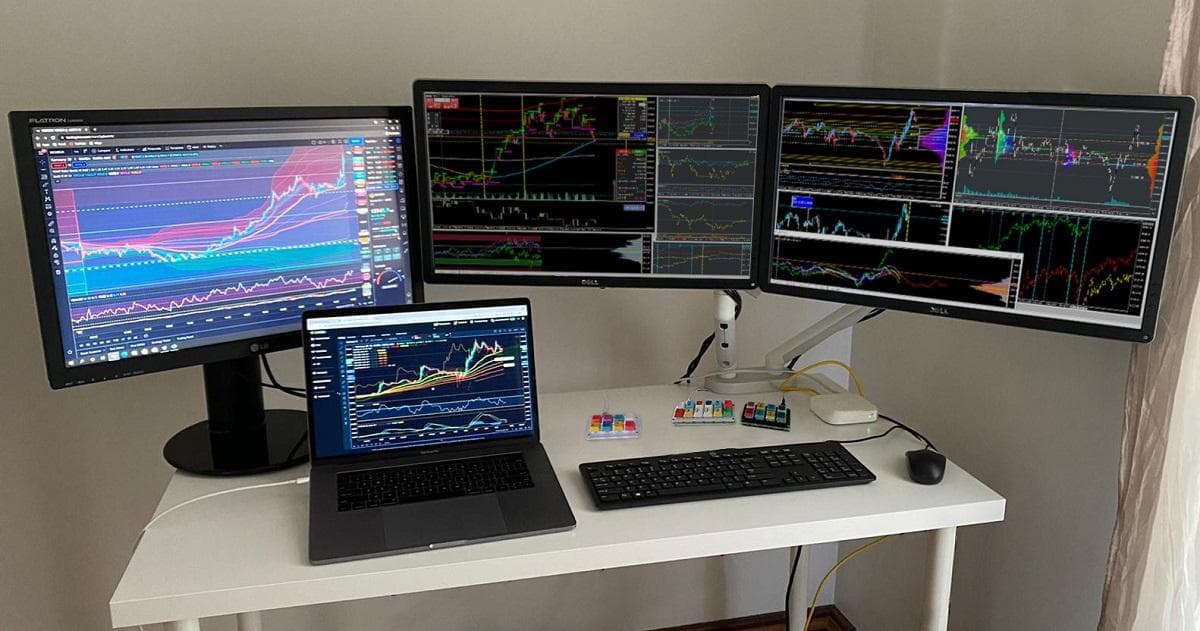
Most people imagine trading as something complicated and slightly out of reach. Multiple screens, fast flickering charts, numbers changing before you even finish reading them. That picture isn’t entirely wrong, but it’s not the full story either.
On a normal Windows PC, the whole thing starts in a surprisingly simple way. A browser tab. A chart. A few buttons that either buy or sell. What happens after that depends less on the machine and more on how you respond when money is on the line.
There’s a gap between knowing how to trade and actually doing it calmly. That gap is where most beginners trip. Not because the tools are difficult, but because real-time decisions feel heavier than practice ever does.
Online trading is just buying and selling financial assets through platforms connected to global markets. Stocks, currencies, crypto, commodities… all of it lives on the same idea: price moves, and you try to make sense of it.
But markets don’t move in straight lines. They react, overreact, and sometimes do nothing at all for long stretches. That unpredictability is normal. It’s also where beginners often misunderstand things and expect consistency that doesn’t really exist.
You’re not learning a system with fixed outcomes. You’re learning behavior patterns. That shift in thinking changes everything later on.
There’s a tendency to overthink equipment. People assume they need high-end trading rigs with multiple GPUs and expensive monitors. That’s rarely true in the beginning.
What actually matters is consistency. A system that doesn’t freeze. Internet that doesn’t drop during a volatile move. A screen large enough to keep charts readable without squinting.
It’s not about building a command center. It’s about avoiding friction. Small delays in trading feel bigger than they should.
Most beginners start comparing software like it’s a specs sheet. Indicators, automation, AI tools. But once you actually sit in front of live charts, those things matter less than expected.
Some platforms feel clean and calm. Others feel dense and technical. Neither is universally better.
It opens quickly, charts load cleanly, and you don’t immediately feel lost. People often stay here longer than planned because it simply makes analysis easier to look at.
Still, it can quietly turn into endless observation if you’re not careful. Watching charts is not the same as trading them.
It’s widely used in forex and algorithmic trading. The interface doesn’t try to impress anyone. It’s functional, sometimes even plain, but that’s part of its stability.
If you like testing strategies or automating trades, this is usually where people end up experimenting first.
Tools like Zerodha Kite or Webull are designed to remove friction. Place trades quickly, check positions, move on.
That simplicity is useful. But deeper analysis often happens somewhere else alongside it.
There’s no dramatic moment here. You sign up, submit documents, link a bank account, and wait for verification. It’s procedural, slightly slow, and unavoidable.
Most brokers ask for identity proof and address verification. Once that’s done, the platform becomes active and you can actually start placing trades.
It feels simple on paper. The real adjustment begins after the account is live.
Most beginners skip demo accounts because nothing emotional happens there. No real profit, no real loss. It feels meaningless.
But that’s where patterns show up clearly. How quickly you enter trades. How often you hesitate. Whether you close positions early just because you feel uncertain.
Those habits don’t disappear when real money enters the picture. They just get louder.
Indicators like RSI, MACD, or moving averages help you read momentum. They’re helpful, but they don’t predict the future. They reflect what already happened.
Support and resistance levels often matter more than most indicators. They show where price tends to hesitate or react. Still, nothing is guaranteed.
The goal is not precision. It’s probability. Slight edges, repeated over time.
This is the part people skip and later regret. Not because it’s complicated, but because it feels restrictive at first.
None of this guarantees profit. It simply prevents small mistakes from turning into large setbacks.
Fear of missing out shows up quickly. So does revenge trading after a loss. Both can quietly destroy discipline.
Trading sounds technical, but behavior decides outcomes more than analysis does. A good strategy used poorly still loses money.
There’s a point where learning charts becomes less important than learning yourself.
Writing down trades feels slow. Most people avoid it. Then later they struggle to remember why they entered a position in the first place.
A simple log changes that. Entry, exit, reason, emotion at the time. That’s enough. Over weeks, patterns become visible without forcing them.
Ethnic Koti Editorial Team. (2026). "How to Start Online Trading on a Windows PC: A Practical Guide That Actually Feels Real". Ethnickoti Blog. Retrieved from https://ethnickoti.com/blog/how-to-start-online-trading-windows-pc-guide
Join the conversation. Be respectful and helpful.