Snapchat|10 minutes Read
How Snapchat Best Friends Actually Works in 2026 — The Algorithm, Emojis, Rankings, and Social Weirdness Behind It
Ethnickoti

Snapchat’s Best Friends system has always been a little more emotionally powerful than the app probably intended.
At surface level, it’s just an automated ranking feature. A list of people you interact with most. Pretty harmless.
But anyone who has used Snapchat long enough knows the reality feels messier than that. People notice when they lose the yellow heart. They notice when someone new suddenly appears near the top of their chat feed. Entire friend groups quietly analyze emoji changes like digital body language.
And Snapchat absolutely understands this psychology. The app has leaned into it for years.
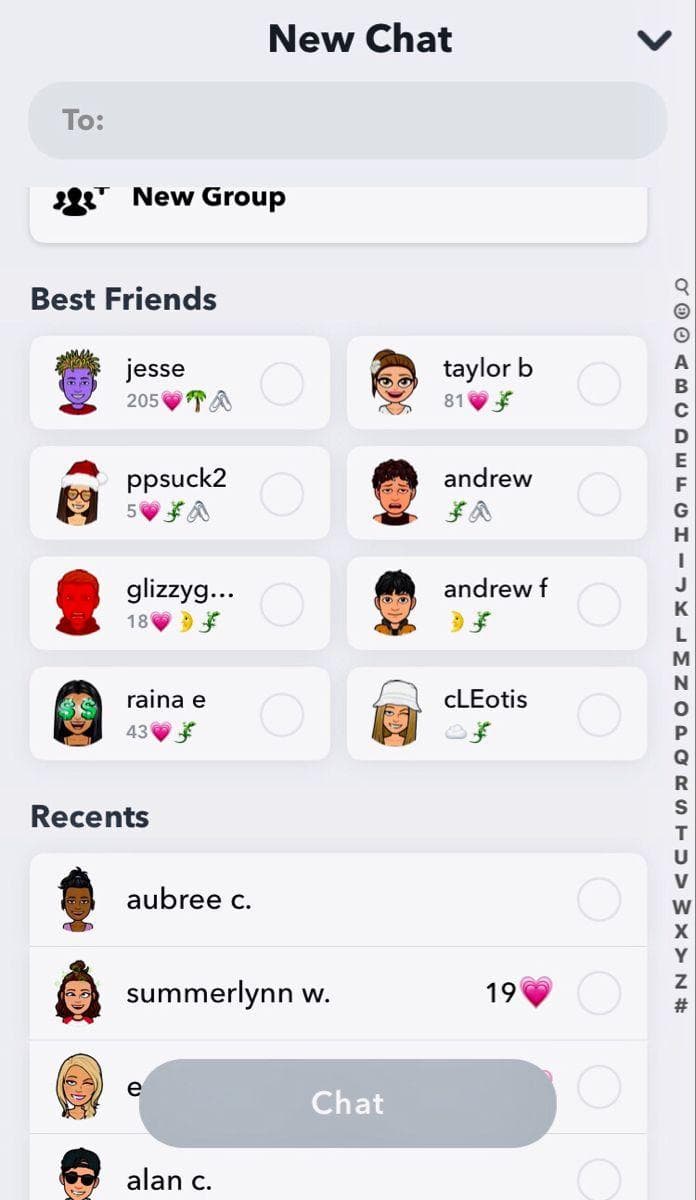
The Best Friends feature is designed to mirror your communication habits automatically. You don’t manually choose who appears there anymore. Snapchat’s algorithm watches your interaction patterns constantly snaps, chats, streaks, calls, story replies then quietly rearranges your social ranking behind the scenes.
Sometimes accurately. Sometimes in ways that make users genuinely confused.
Your Snapchat Best Friends are simply the people you interact with most consistently.
Not necessarily your closest real-life friends. That distinction matters more than people expect.
Someone can become a top Best Friend purely because you exchange snaps constantly, maintain streaks every day, or send endless random chats late at night. Meanwhile, a person you genuinely care about in real life might barely appear because you mostly text them somewhere else.
Snapchat only measures Snapchat behavior.
That sounds obvious, yet people still emotionally interpret the rankings like they represent deeper loyalty or closeness. Human brains are weird like that.
Snapchat never publicly reveals the exact formula behind its Best Friends algorithm. Probably smart on their part.
Still, years of user behavior make the major factors fairly obvious.
Direct snaps carry the most weight for most users.
Not Stories. Not group messages. Actual person-to-person snapping.
That’s why streak partners climb rankings so quickly. Daily snapping creates constant interaction signals for Snapchat’s system.
Even low-effort snaps count. Ceiling photos. Black screens. Random “streaks” text. The app still treats them as active engagement.
Text chats absolutely influence rankings, though many users suspect snaps carry heavier importance.
Consistent conversations help someone stay near the top of your Best Friends list even if you aren’t sending dozens of snaps daily.
And Snapchat tracks reciprocity too. Mutual interaction matters more than one-sided messaging.
You can’t really force your way into someone’s Best Friends list alone. The engagement usually needs to flow both directions consistently.
One thing people misunderstand constantly is how quickly rankings can shift.
Snapchat heavily prioritizes recent behavior. Which means your Best Friends list can change surprisingly fast if your communication habits change.
Someone you talked to constantly last month may disappear from the top rankings after just a week or two of reduced interaction. Meanwhile a newer friendship can rise aggressively if communication suddenly spikes.
That fluidity is part of why users monitor the emojis so obsessively.
Snapchat’s friendship emojis look playful on the surface, but they carry surprisingly strong emotional meaning for many users.
Especially younger users. The emoji changes genuinely affect people more than most social media companies would openly admit.
This means you are each other’s number one Best Friend.
You send the most snaps to them, and they send the most snaps to you.
Simple in theory. Weirdly validating in practice.
You’ve maintained that number one friendship position for two consecutive weeks.
At this point, people often become emotionally invested in keeping it.
Two months as mutual number one Best Friends.
Snapchat users sometimes treat this achievement like a tiny digital relationship milestone. Which sounds dramatic until you realize how often social media habits bleed into real emotions.
One of your Best Friends but not necessarily your top one.
This usually indicates strong regular interaction without reaching the number one position.
You share a Best Friend with this person.
This one creates unnecessary social detective work constantly. People start trying to figure out who the shared Best Friend is. Sometimes correctly. Sometimes wildly incorrectly.
Active Snapstreak.
The fire emoji alone probably keeps millions of people opening Snapchat daily out of pure obligation.
Not anymore.
Years ago, Snapchat allowed users to publicly view portions of each other’s Best Friends lists. And honestly, it created an unbelievable amount of drama.
Friendship jealousy. Relationship arguments. Endless overanalyzing.
So Snapchat eventually removed public visibility almost entirely.
Now, only you can directly see your Best Friends ranking. Other users may notice certain mutual emojis, but they cannot open a full list of your closest Snapchat interactions anymore.
Honestly, that change probably saved a lot of friendships.
Typically Snapchat displays up to eight Best Friends at a time.
The ranking updates automatically based on interaction frequency and consistency.
Which means the order can shift quietly in the background without any notification warning you about it. One day somebody’s near the top. A few days later they’ve dropped lower because someone else became more active recently.
That unpredictability is part of what keeps users checking.
Snapchat+ took the Best Friends obsession and turned it into an actual visual universe.
The Friend Solar System feature assigns planets to your closest friends:
Mercury = closest friend
Venus = second closest
Earth = third
And so on
Functionally, it changes almost nothing. Emotionally? Huge difference.
People become attached to rankings when they’re visualized. Snapchat knows this extremely well.
It’s basically social gamification disguised as astrology aesthetics.
No. Snapchat removed manual customization years ago.
You can’t pin random people into your Best Friends section anymore simply because you want them there. The rankings are generated automatically.
That said, users absolutely influence the algorithm indirectly.
Send snaps consistently
Maintain streaks
Reply to Stories
Use voice or video calls occasionally
Keep communication frequent over time
Consistency matters more than huge bursts of activity.
Usually the simplest method is just interacting less.
Stop snapping regularly. Reduce chats. Let streaks fade naturally if you don’t care about them.
Eventually the algorithm adjusts.
Some users block or remove people temporarily to speed things up, though that’s obviously a more dramatic approach.
Technically, it’s just an algorithm ranking engagement.
But emotionally, people treat it like a live scoreboard for relationships.
That’s why users notice tiny changes instantly. Why losing a heart emoji feels oddly personal. Why people compare streaks and rankings even while pretending they don’t care.
Snapchat built a system that quietly transforms communication frequency into social symbolism. And once symbols get attached to friendships, humans start reading meaning into everything.
That’s probably why the feature has survived so many redesigns.
Not because it’s technologically impressive.
Because people can’t stop checking it.
No. Snapchat automatically generates the Best Friends list based on interaction patterns. Users can influence rankings through activity, but they cannot manually select or pin people into the list anymore.
Yes. Chats contribute to rankings, although direct snaps appear to carry more weight for most users. Frequent two-way communication matters more than occasional messages.
The algorithm updates gradually based on recent behavior. Rankings can shift within days if communication habits change significantly, though Snapchat doesn’t update everything instantly in real time.
No. Snapchat removed public Best Friends visibility years ago. Other users may notice certain friendship emojis, but they cannot directly open or view your full Best Friends list.
The pink hearts emoji means you and another user have remained each other’s number one Best Friend for two consecutive months. It’s one of Snapchat’s strongest friendship indicators.
Ethnic Koti Editorial Team. (2026). "How Snapchat Best Friends Actually Works in 2026 — The Algorithm, Emojis, Rankings, and Social Weirdness Behind It". Ethnickoti Blog. Retrieved from https://ethnickoti.com/blog/how-snapchat-best-friends-list-works
Join the conversation. Be respectful and helpful.