
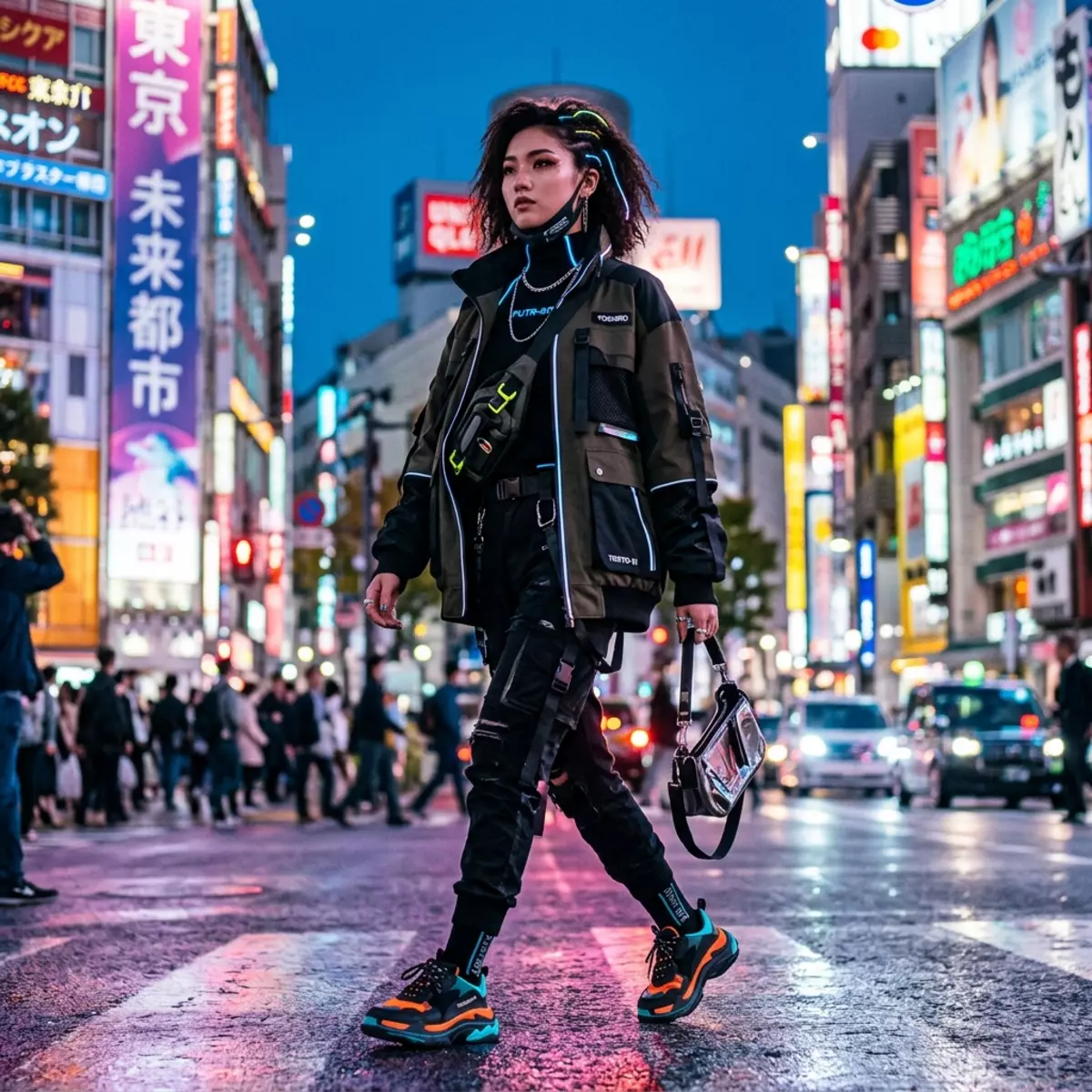
The "hype-beast" era has officially transitioned into a period of extreme refinement. What we term the "Urban Renaissance" in 2026 is a fusion of rugged utilitarianism with the structural precision of Italian tailoring. It is no longer enough for streetwear to be loud; it must now be intelligently constructed, resilient, and ethically sourced. We are seeing a move away from logo-clutter and toward "Material Narrative"—where the story of the garment is told through its texture and technology rather than a brand name. This is our 2000-word analysis of the new urban luxury aesthetic.

Tailored rebellion: The 2026 silhouette combines structured, laser-cut coats with technical, multi-pocketed trousers for the modern nomad.
1. The New Utilitarianism: Beyond the Pocket
Functionality in 2026 is no longer just about the number of pockets or the size of a hood. It is about the inherent performance of the textile itself. Designers are mainstreaming "Technical Silks" and "Reinforced Cashmeres"—materials that offer the traditional touch of luxury but are enhanced with molecular hydrophobic coatings and tear-resistant nanolayers. The Urban Renaissance wearer is a global nomad. They require garments that can handle a commute on a high-speed train, a transition into a formal boardroom, and an evening at an underground gallery—all without a change of clothes. This has given rise to "Transition Tailoring," where modularity is the key design philosophy.
The innovation here is "Adaptive Insulation." Using liquid-crystal linings that can be adjusted via a smartphone app (or automatically via the garment's board-sensors), a single jacket can provide varying levels of thermal comfort based on the ambient temperature. This reduces the need for multiple seasonal coats, aligning perfectly with the minimalist, high-utility philosophy of 2026 urban style.
Key Modular Features of 2026 Streetwear:
- Thermal Adaptability: Fabrics that actively regulate heat based on the wearer's heart rate and external environment.
- Detachable Geometry: Pieces that transform from floor-length overcoats into cropped bomber jackets with a single, silent magnetic rail-zipper.
- Adaptive Camouflage: Subtle, high-definition patterns that shift their tonal contrast based on the ambient light of the city, ensuring you stand out or blend in exactly when you intend to. This is the ultimate tool for the modern urban strategist.

Nostalgia meets Nanotech: 90s oversized aesthetics powered by 2026 fabric innovation and shape-memory polymers.
2. Stealth Tech: The Invisible Revolution of the Human-Fabric Interface
We are witnessing the "death of the wearable device" as a separate entity. In 2026, the technology *is* the garment. This is "Stealth Tech." High-end streetwear brands are now weaving conductive silver and carbon threads into the structural cuffs of their hoodies, allowing the wearer to control their digital environment—music, calls, VR navigation—through intuitive gestures on the fabric itself. No more reaching for a device; the garment is the controller.
NFC (Near Field Communication) and Decentralized ID tags have become a standard inclusion in high-end urban wear. A discreet tap of your sleeve against a reader allows for secure, biometric-verified payments, entry into exclusive coworking social clubs, or the instant sharing of your digital portfolio. This is high-fashion utility at its most seamless—technology that serves the human experience without ever disrupting the aesthetic silhouette. It is the invisible backbone of the 2026 urban lifestyle.
3. A Shift in Brand Identity: Material as Logo and Quiet Urbanism
The most profound change in the Urban Renaissance is the rejection of the "Logo-Centric" model that dominated the 2010s. Brands that once relied on prominent branding are now focusing on "Signature Textures." The specific way a 3D-knitted fabric catches the light, or the unconventional way a seam is laser-taped with iridescent bonding, has become the new identifier of luxury. This "Quiet Urbanism" represents a more mature, sophisticated approach to the street aesthetic.
Ethnickoti has observed that the value of a garment in 2026 is often tied to its "Material Narrative." Consumers now demand to know the exact carbon footprint of their sneakers and the ethical rating of the facility where their jacket was assembled. High-end streetwear is now a badge of social and environmental awareness as much as it is a statement of style. Your clothes are your ethics, worn on your sleeve.

Craftsmanship in the details: Hardware that serves as both jewelry and utility, featuring titanium and recycled materials.
4. The Ergonomics of Rebellion: Streetwear as Architecture
Modern streetwear is increasingly looking at the human body as an architectural site. Using "Motion-Mapping" technology, designers are creating garments that have zero restriction. The "Drop-Crotch" of the past has been replaced by "Articulated Paneling"—seams that follow the natural muscle groups of the leg, providing the aesthetics of a tailored trouser with the mobility of athletic-wear. This is the hallmark of the 2026 Urban Renaissance: it’s clothes that move with you, not against you.
Urban Renaissance FAQ
How is 2026 streetwear different from 2020?
The early 2020s were about 'Hype' and loud logos. 2026 is about 'Utility' and 'Precision.' The new movement focuses on technical performance, tailored silhouettes, and invisible technology integration that serves the wearer's digital life.
What exactly are 'Technical Silks'?
Technical silks are organic silk fibers treated with high-pressure nanocoatings at the molecular level. This makes them waterproof, tear-resistant, and flame-retardant while keeping their luxurious breathability and shine.
Is 'Stealth Tech' safe for the body?
Absolutely. The electronics used are low-energy, passive sensors that don't emit harmful radiation. They are also designed to be fully recyclable along with the fabric fibers, ensuring zero environmental impact.
Can I wash these high-tech urban items at home?
Modern urban luxury is built for extreme durability. Most items are machine-washable at low temperatures, with the internal 'Stealth Tech' components being fully waterproofed at the molecular level. However, we recommend air-drying to preserve the nanocoatings.
Conclusion: The Architecture of the Modern Nomad
Streetwear in 2026 is the architecture of the modern human. It is resilient, intelligent, and deeply personal. It is no longer about following a trend—it is about equipping yourself for the complexities of modern urban life. At Ethnickoti, we believe this Renaissance is just the beginning of a more thoughtful, high-performance era in human adornment. The street is the runway, and the runway is the future.
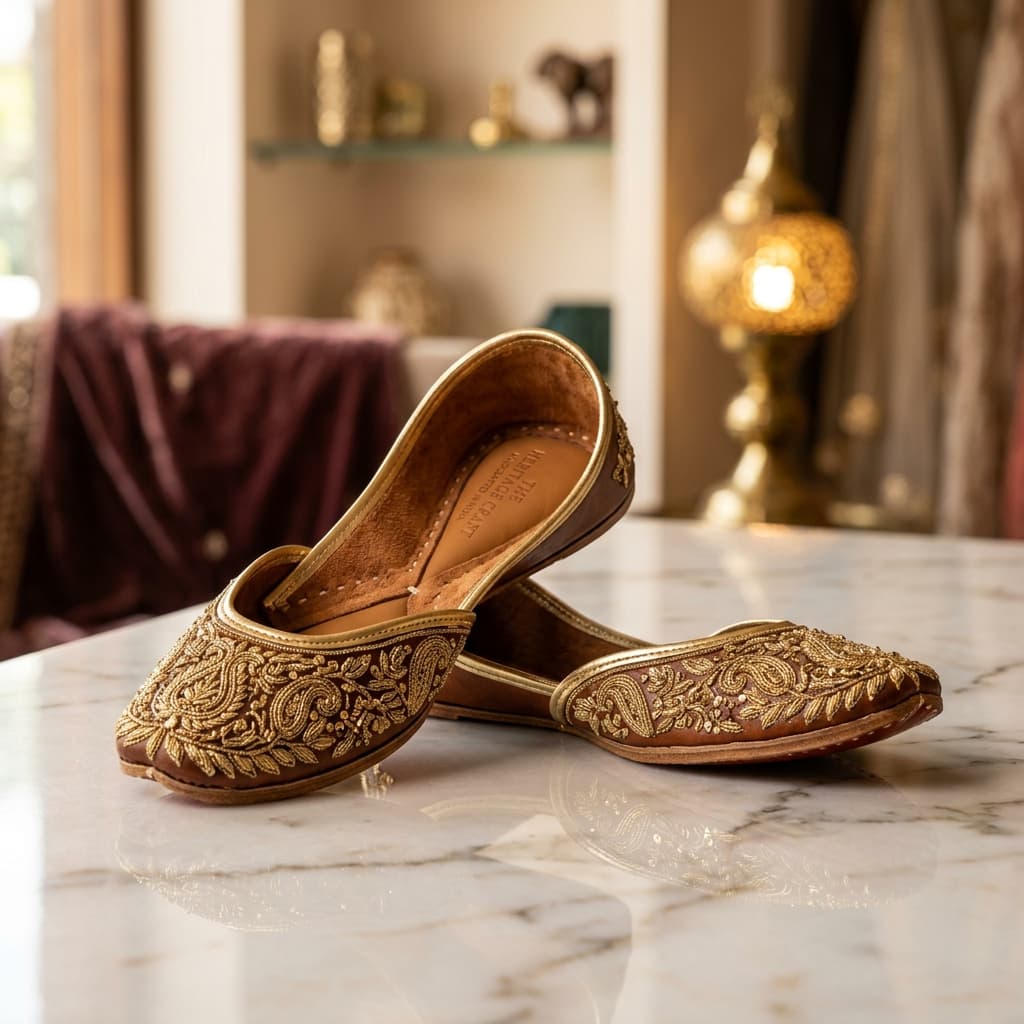
Metro Handcrafted Leather Juttis
Authentic leather mojaris with cushioned insoles for long-duration wedding wear. Features traditional gold thread embroidery.
Ethnickoti Editorial. (2026). "Urban Renaissance: The Sophisticated Evolution of Streetwear 2026". Ethnickoti Boutique. Retrieved from https://ethnickoti.com/blog/urban-renaissance-streetwear
Design Your Own Legend.
Order custom-tailored sherwanis, lehengas, and kotis crafted by master artisans.
Request Custom OutfitCurated Picks

You Might Also Like

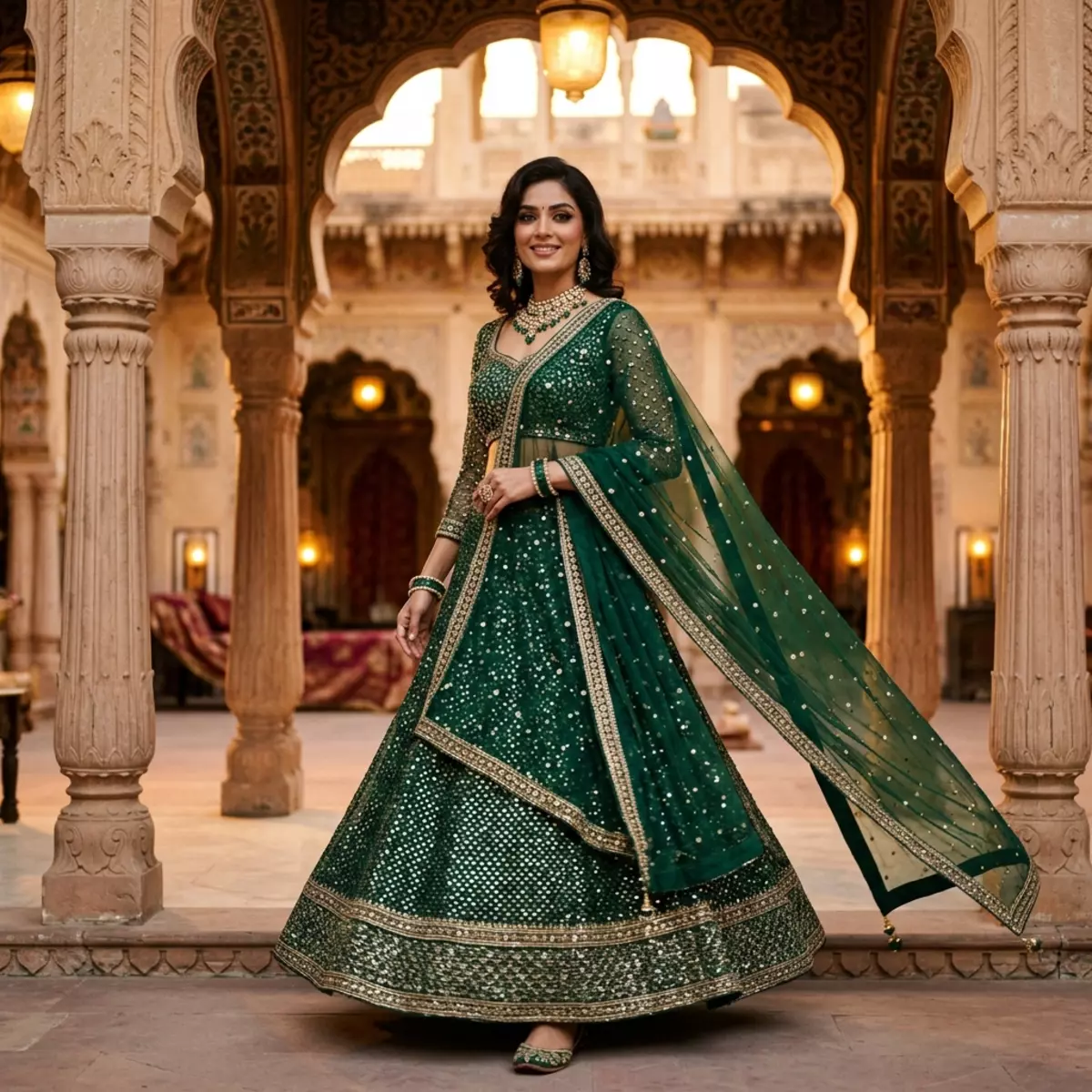
Top 3 Affordable Ethnic Sets Under 2000: The 2026 Luxury Redefinition
Luxury doesn't always mean a heavy price tag. We curate the best designer-grade ethnic sets currently blooming on the market under 2000 with a deep-dive into fabric and silhouette.
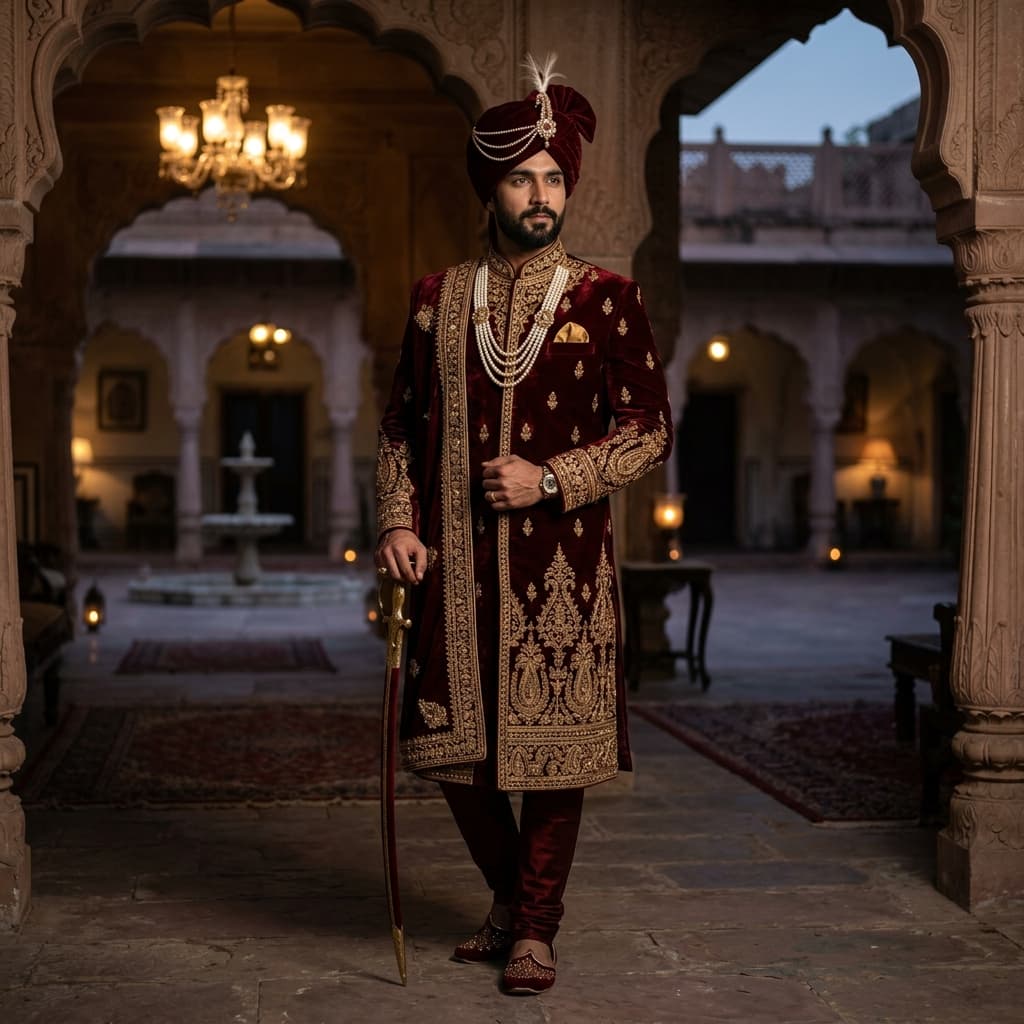
The Royal Sherwani Guide 2026: Best Sherwani Trends in India
Explore the evolution of the Sherwani in 2026. From smart-fabrics to heritage Zardosi, discover how to choose the perfect regal ensemble for the modern groom with our 2000+ word deep-dive.
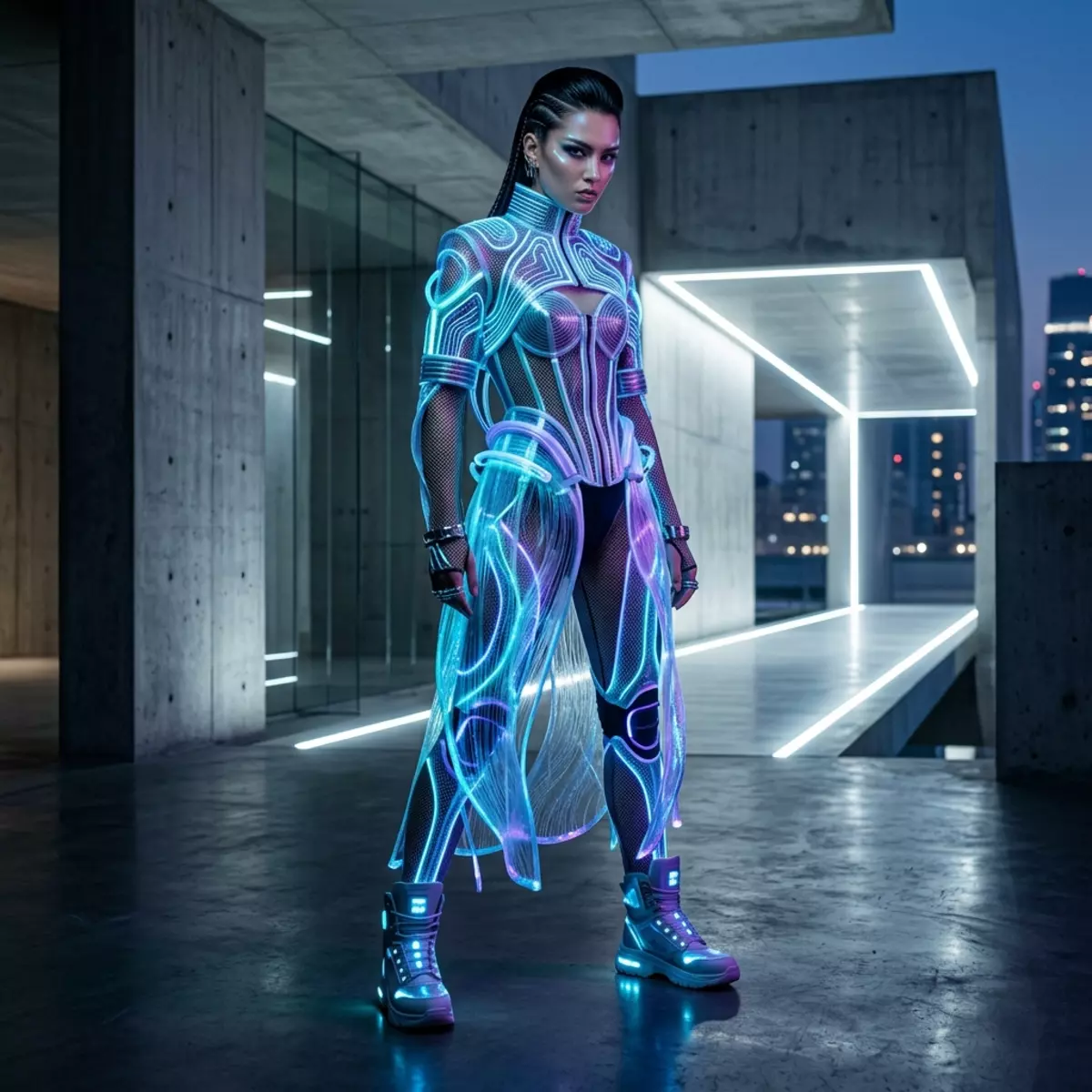
Future of Fashion 2026: 7 Revolutionary Trends You Need to Know
Wondering how we will dress in 2026? From clothes that glow in the dark to AI-designed outfits, explore the top fashion trends changing the world with our 2000+ word deep dive.