
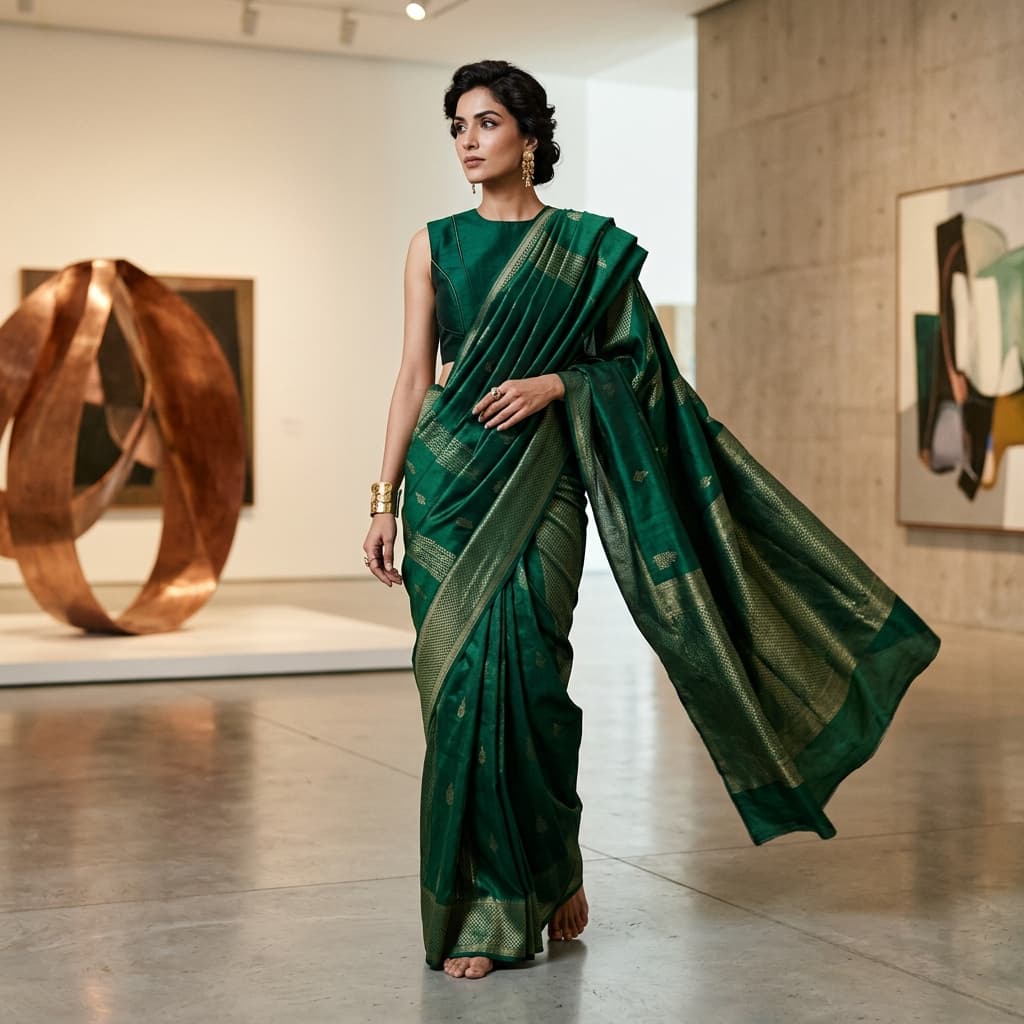
In an era dominated by the digital and the ephemeral, the hand-woven saree stands as an immutable pillar of craftsmanship. In 2026, the ultimate luxury is no longer found in a factory or a mass-market retail chain, but in the slow, rhythmic click of a wooden loom in the heart of Varanasi, Kanchipuram, or Chanderi. This is what we at Ethnickoti call "Regenerative Elegance"—fashion that doesn't just minimize harm, but actively heals the culture, the community, and the environment.

The Art of the Weave: Emerald green silk with avant-garde draping techniques for 2026—where every thread tells a story of survival and revival.
1. The Science of Lotus Silk and Organic Gold Zari
The 2026 "Eco-Chic" movement has embraced materials that were once considered myth. One of the most significant breakthroughs is Lotus Silk. Harvested from the stems of the lotus flower in the wetlands of North-East India, this fiber is incredibly lightweight and naturally cooling. It possesses a unique microscopic structure that reflects heat, making it the most comfortable silk-alternative for the modern Indian climate.
But sustainability isn't just about the base fiber. In 2026, we have seen the return of "Pure Gold Zari" which is 100% traceable and recycled. Artisans are now using "Certified Gold" sourced from retired high-tech electronics, ensuring that the metallic shine on your pallu has a circular history. When you wear a hand-woven silk saree today, you are literally wearing a biological and financial asset that has been curated for longevity.
2. The "Regenerative" Weaving Movement: Beyond Sustainability
By 2026, the term "sustainable" has been replaced by "regenerative." What is the difference? While sustainability focuses on doing less damage, regenerative fashion focuses on making the environment *better*. Many of the weaving clusters Ethnickoti partners with use natural dyes derived from temple-flower waste and industrial runoff minerals. This process cleans the local water systems while producing colors—like "Veridian Moss" and "Antique Rose"—that have a depth and soul that synthetic pigments can never replicate.
We are also seeing a resurgence in "Rain-Fed Cotton" and "Wild Silk" (Ahimsa Silk). These fabrics don't require massive irrigation systems, allowing rural communities to preserve their water tables while producing high-end luxury textiles. It's a win-win for the artisan and the Earth.
3. Hybrid Draping and Phygital Integration: The 2026 Silhouette
The 2026 woman is not restricted by tradition; she uses it as a foundation for her modern identity. We are seeing "Hybrid Draping" techniques that incorporate technical belts, modular pockets (essential for the modern professional), and even light-weight structural bases that allow for a perfect drape in seconds. This is the saree for the woman on the move.
Furthermore, each "Legacy Saree" now comes with a built-in "Phygital" component. An invisible NFC tag in the hem, when scanned, reveals the entire journey of the piece—from the farmer who grew the silk to the specific weaver who spent over 400 hours at the loom. This provides an unbreakable guarantee of authenticity and a transparent record of the garment's carbon footprint. Your saree isn't just a garment; it's a piece of verified digital and physical history.
4. The Longevity of Style: The Ethnickoti "Legacy Purchase"
Ethnickoti advocates for the "Legacy Purchase." A hand-woven saree purchased in 2026 is designed to be passed down through at least three generations. Its value only increases as the world recognizes the scarcity of true human-led craftsmanship in an increasingly automated world. In a future where AI can generate any image, the physical reality of a hand-tied silk knot is the ultimate mark of luxury.
Saree Connoisseur FAQ
Why choose hand-woven over power-loom in 2026?
Hand-woven sarees have a soul. The minor 'imperfections' are actually identifiers of human touch. Furthermore, hand-weaving supports rural economies and uses 95% less energy than industrial power-looms.
How do I verify the 'Regenerative' status of my silk?
Scan the NFC 'Digital Passport' integrated into the pallu. It will provide a certification of natural dye sources and the regenerative agricultural practices used for the silk harvest.
What is the best way to store a Legacy Saree?
Avoid plastic. Wrap your saree in a pure cotton or muslin cloth and store it in a cool, dry place. Periodically take it out to air (away from direct sunlight) to maintain the strength of the natural fibers.
Conclusion: Tradition as the Ultimate Innovation
As we navigate the complexities of 2026, the saree remains our most resilient and beautiful link to the past. But it is not a relic; it is a living, breathing form of art. By choosing sustainable, hand-woven luxury, you are participating in a global movement of conscious identity. At Ethnickoti, we don't just sell sarees; we preserve legacies.
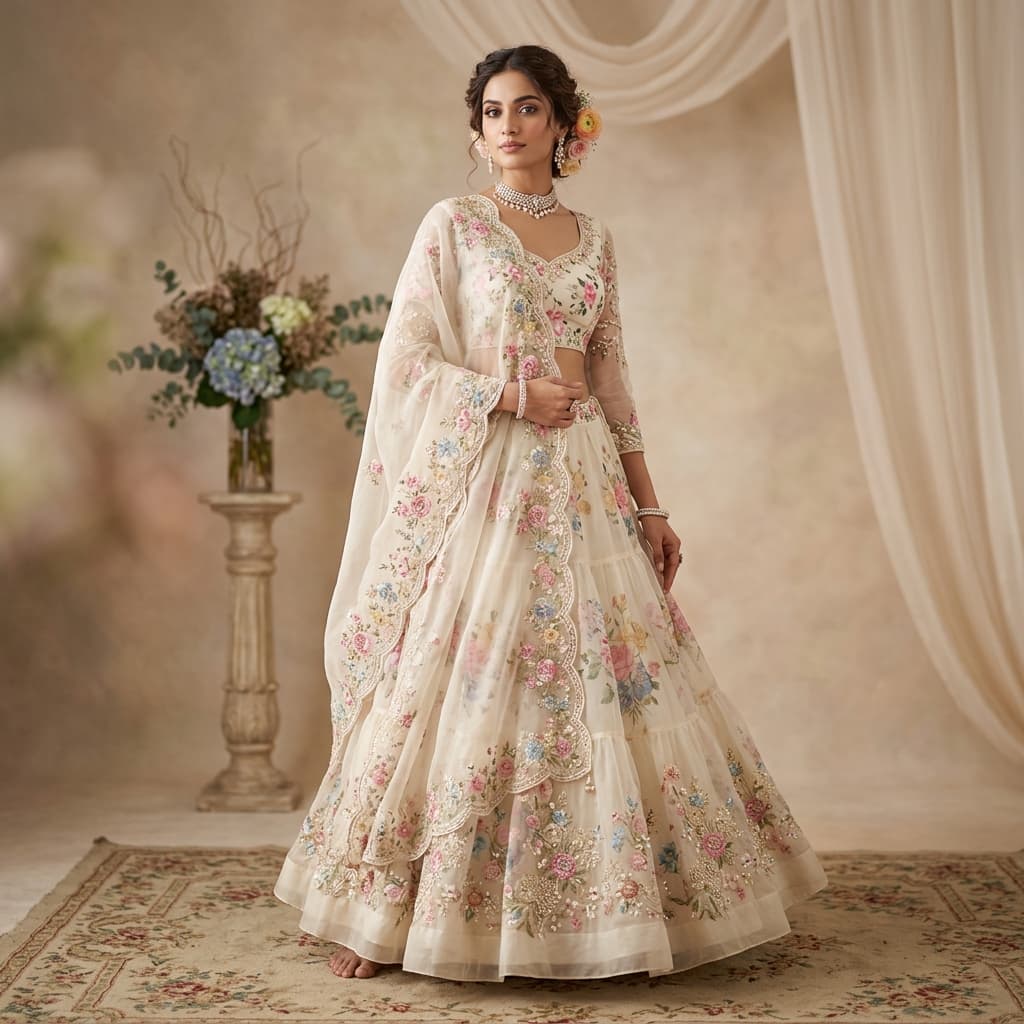
Biba Organza Floral Lehenga Choli
Etherial organza lehenga featuring delicate digital floral prints and a sequin-bordered dupatta. Ideal for bridesmaids and summer weddings.
Ethnickoti Editorial. (2026). "Sustainable Elegance: Hand-Woven Silk Saree Trends in India 2026". Ethnickoti Boutique. Retrieved from https://ethnickoti.com/blog/sustainable-saree-luxury-2026
Common Questions
Q.What is Lotus Silk?
A.Lotus silk is a sustainable fiber harvested from the stems of lotus flowers, known for being lightweight, breathable, and naturally heat-reflective.
Q.Why choose hand-woven sarees in 2026?
A.Hand-woven sarees support traditional artisans, are environmentally friendly, and are considered 'Legacy Purchases' that retain financial and cultural value over time.
Q.How does the NFC tag work in a saree?
A.A small, invisible chip in the hem can be scanned with any smartphone to show the garment's 'Digital Passport'—detailing its origin, weaver, and ecological impact.
Design Your Own Legend.
Order custom-tailored sherwanis, lehengas, and kotis crafted by master artisans.
Request Custom OutfitCurated Picks
You Might Also Like
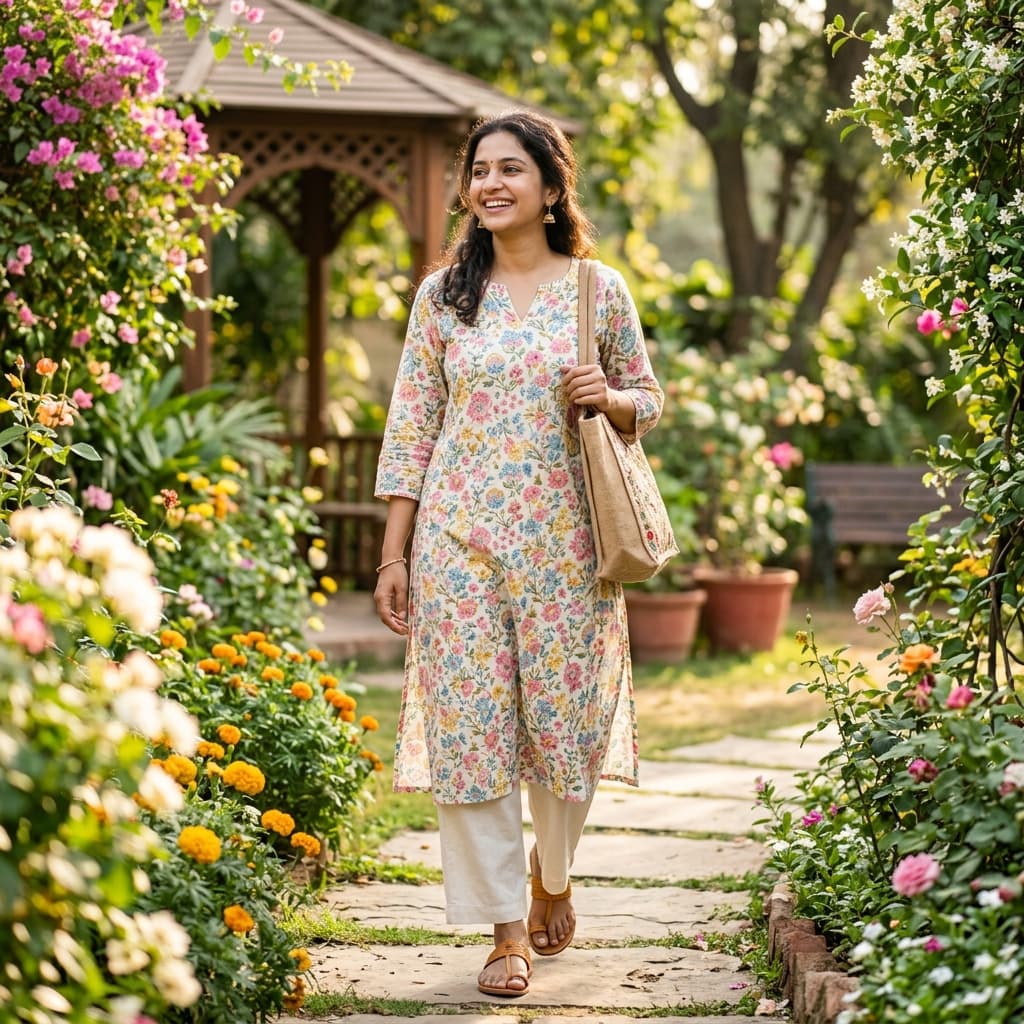
Affordable Ethnic Wear Guide 2026: Styling Kurtas Under ₹1999
Looking for a premium look without the premium price tag? Discover our top picks for affordable ethnic wear and kurtas under ₹1999 for 2026 with a deep-dive into fabric and silhouette.
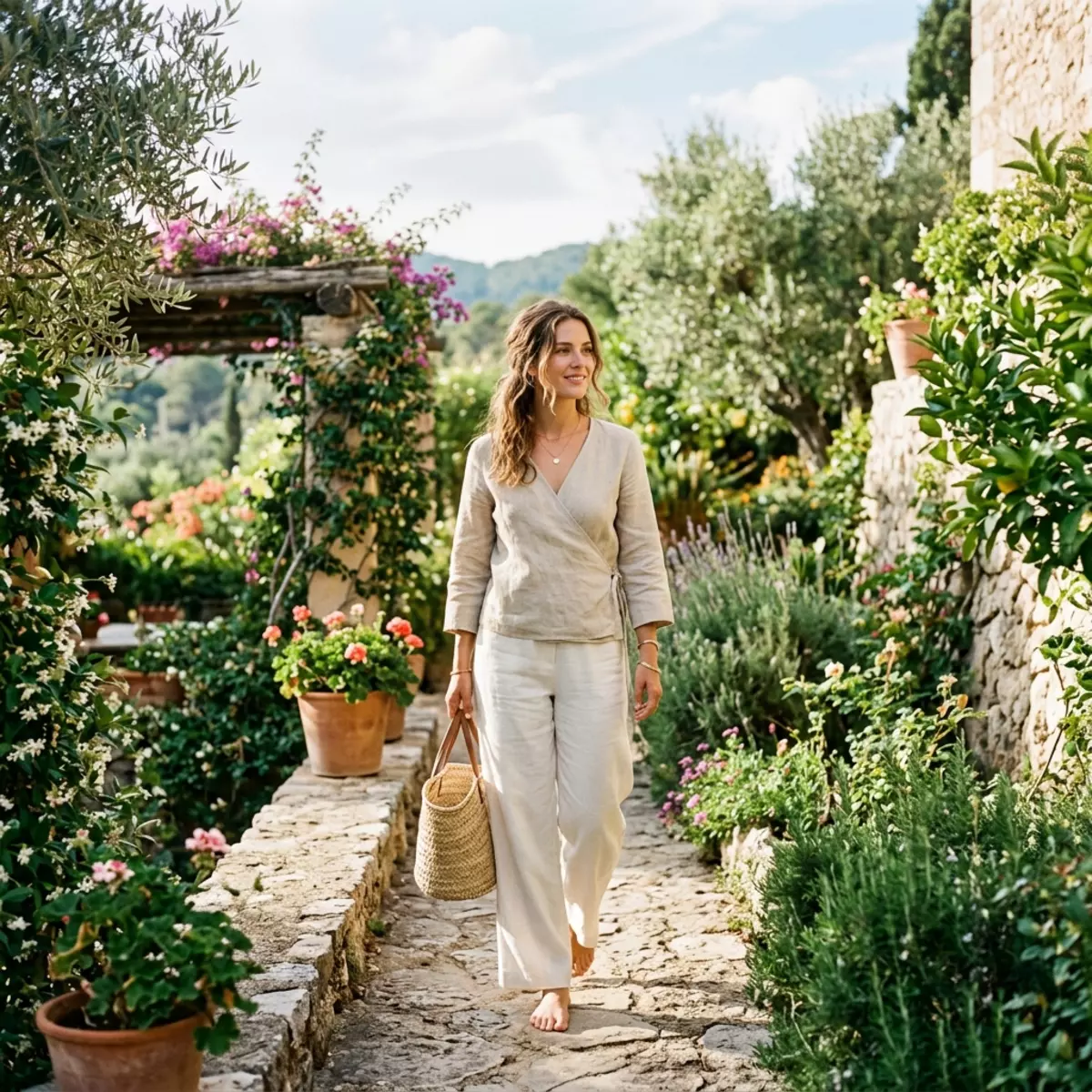
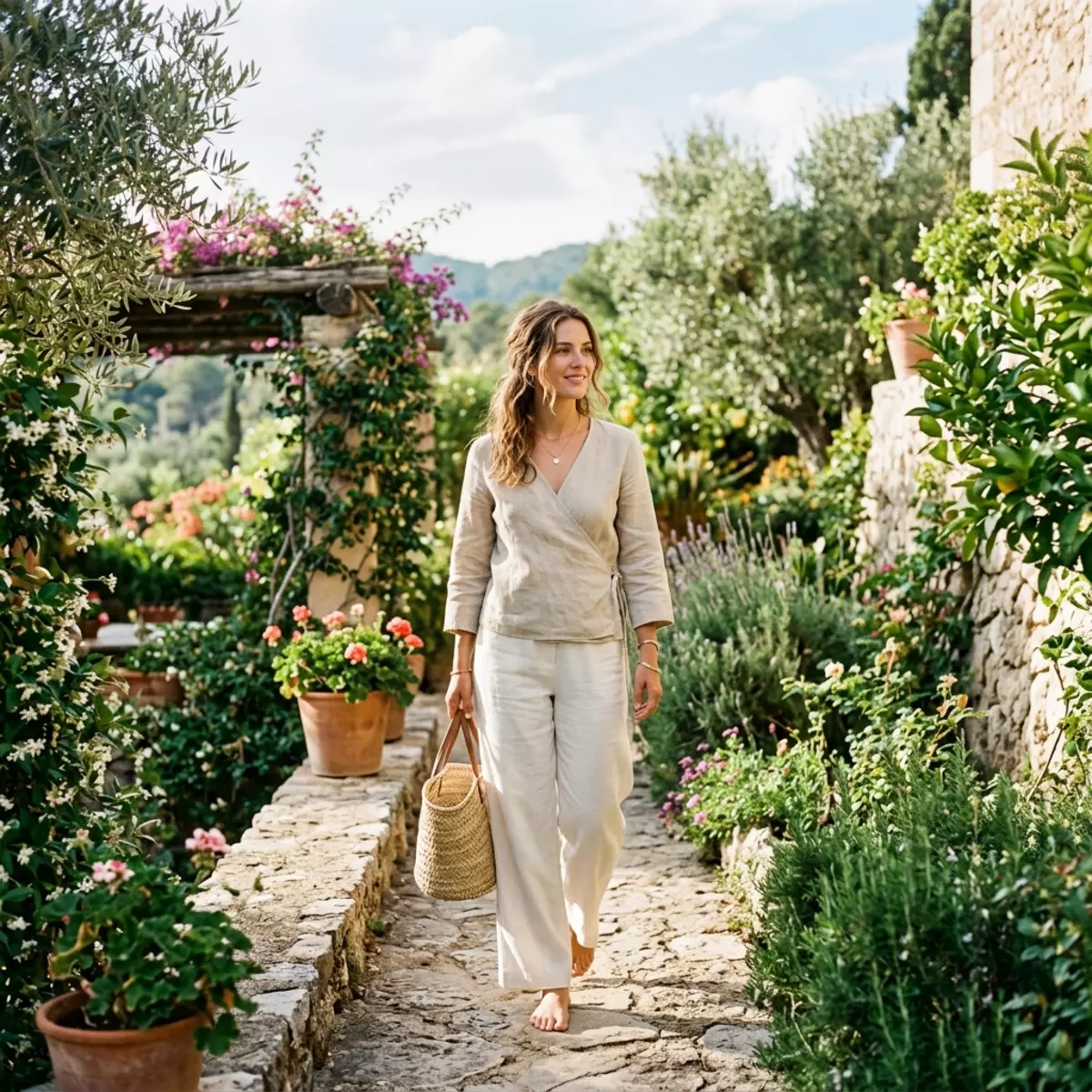
The Elite Guide to a Sustainable Summer Wardrobe: Eco-Chic 2026
Ethical, breathable, and effortlessly elegant. Navigate the heat with our 2000-word curated guide to the highest quality sustainable summer essentials.
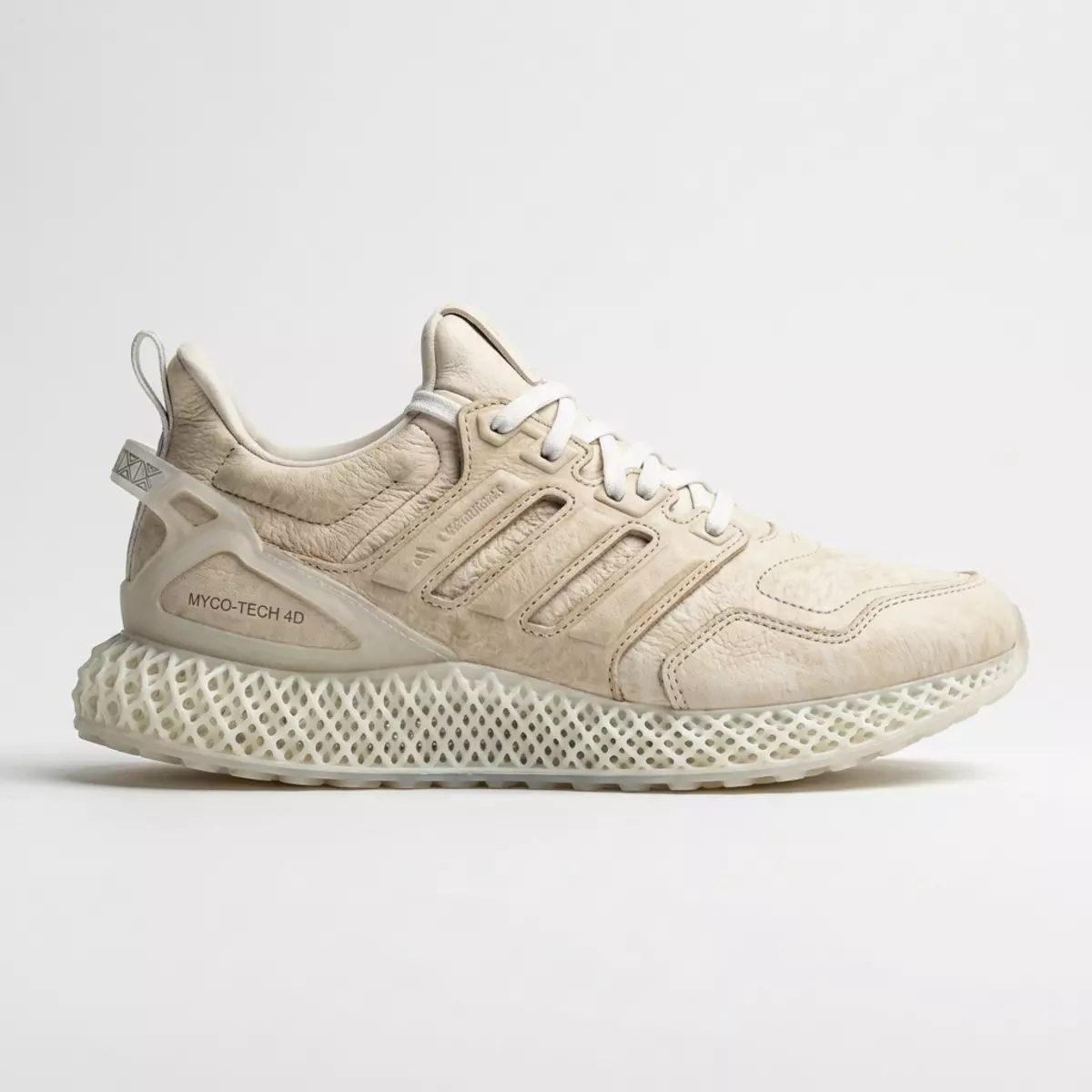
The High-Performance Evolution of Sustainable Footwear in 2026
From mushroom leather to 4D-printed energy-return soles, our 2000-word guide explores how sustainable footwear is outperforming traditional luxury.