
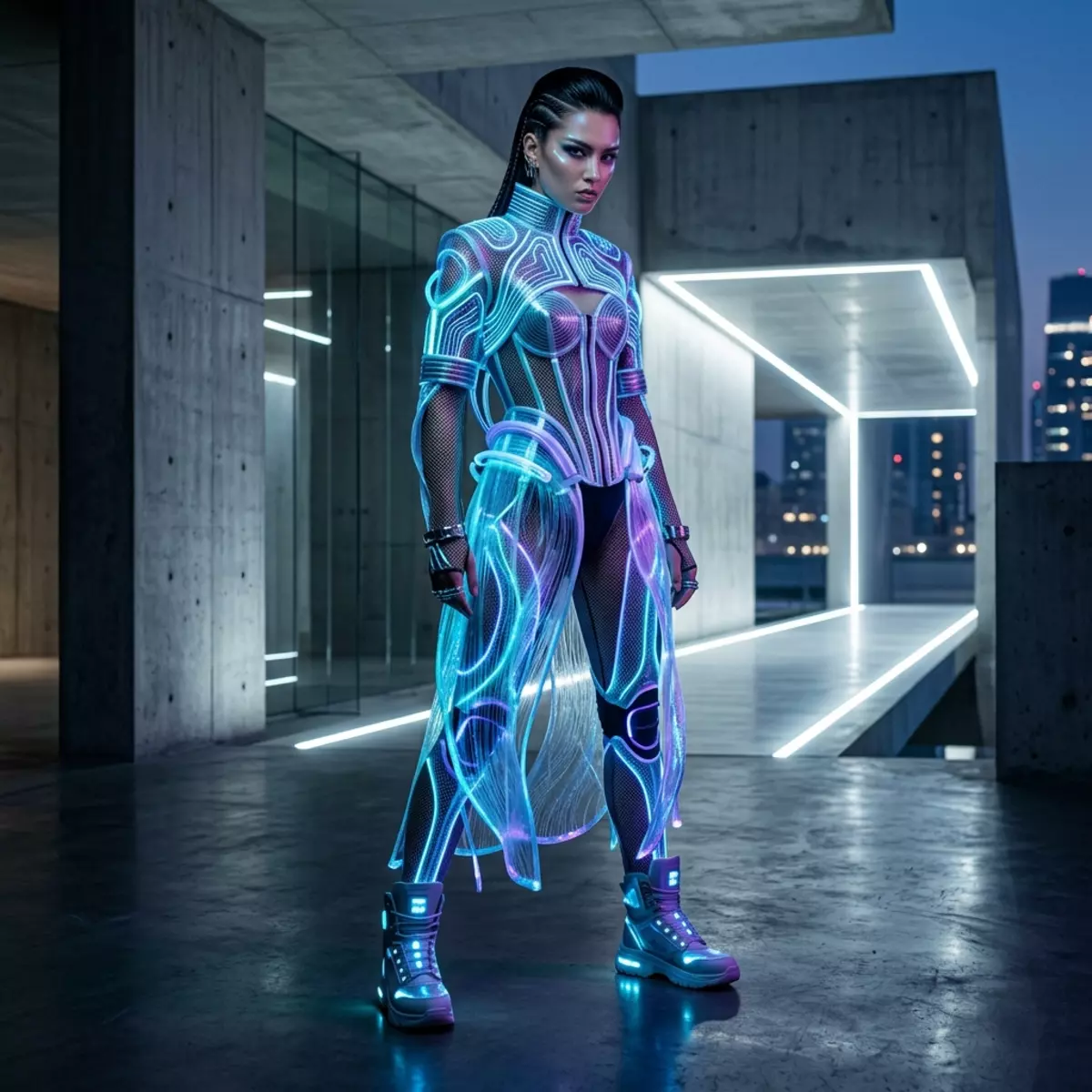
Fashion in 2026 is moving faster than ever. It is no longer just about looking good—it is about how technology, nature, and human creativity work together in a seamless ecosystem. We are entering the "Phygital" era, where your physical garments are intrinsically connected to your digital identity. This change is making luxury more personal, sustainable, and exciting than any period since the Industrial Revolution. This is our 2000-word deep-dive into the future of human adornment.

The new era of additive manufacturing: Clothes grown, not sewn, in a 2026 bio-atelier.
1. Bioluminescent Textiles: Nature’s Own Glow as the New Aesthetic Standard
Imagine wearing a dress that glows naturally, with a soft, pulsing light that reflects your own biological rhythm. In 2026, scientists and designers have moved beyond LEDs and batteries, turning instead to bioluminescence—the same natural light used by deep-sea creatures and fireflies. This isn't just a gimmick; it is a foundational shift in how we think about light, energy, and visibility in the garment industry.
The innovation lies in synthetic biology. Designers are now "growing" silk and cotton fibers that contain the enzymatic pathways necessary for bioluminescence. These fabrics are self-powering, requiring only the ambient moisture and temperature of the human body to emit a gentle, ethereal glow. This is a massive victory for environmentalists because it completely eliminates the need for toxic dyes, heavy metals in micro-electronics, and the lithium-ion batteries that briefly plagued the "tech-wear" era of the early 2020s. In 2026, the brightest star in the room is literally powered by biology.
Beyond aesthetics, these fabrics are functional. In the urban environments of 2026, bioluminescent clothing serves as a safety feature for evening travel while simultaneously acting as a "living" bio-filter. These textiles actually absorb carbon dioxide and release oxygen as part of their biological light-production cycle, meaning your evening gown is literally cleaning the city air as you walk through a crowded gala. This is the definition of regenerative fashion.
2. AI-Driven Hyper-Personalization: The Algorithm as Artisan
Artificial Intelligence (AI) has graduated from being a simple design tool into being a collaborative partner in the creative process. In 2026, the world's most prestigious luxury houses are employing "Algorithmic Artisans"—AI systems trained on centuries of brand heritage and billions of human movement data points. We have moved past the era of Small, Medium, and Large. Today, an AI analyzes your unique 3D body scan—accurate to a tenth of a millimeter—and creates a pattern that compensates for your specific posture, gait, and even the way your shoulders slope when you're tired.
The result is a "Mathematically Perfect Fit" that was previously only available through months of bespoke tailoring. Now, it happens in seconds. But AI isn't just about fit; it's about flavor. Your "Personal Style AI" identifies emerging underground movements that align with your personality and introduces them to you before they hit the mainstream. In 2026, true luxury is no longer defined by the logo on the chest, but by the mathematical precision of the fit and the algorithmically curated resonance of the design.
"In 2026, we don't buy sizes; we buy patterns. The concept of a standard rack is a relic of the industrial age. We are entering the age of the individual." - Ethnickoti Editorial Team
3. The Phygital Asset Revolution: Beyond the Physical Garment
When you purchase a high-end jacket from the Ethnickoti Boutique today, you aren't just buying physical cloth. You are acquiring a "Phygital Asset"—a single item that exists simultaneously in the real world and as a high-fidelity digital twin in the Decentralized Metaverse. This isn't just a vanity project; it's a new form of digital ownership and financial security.
Each physical item is embedded with a "Digital Passport" via an invisible NFC thread. A simple tap of your smartphone reveals the entire journey of that garment—from the organic farm where the fibers were grown to the specific artisan who finished the seams. This provides an unbreakable guarantee of authenticity and a transparent record of the garment's carbon footprint. In the 2026 fashion market, transparency is the ultimate luxury branding. If you can't trace it, you shouldn't wear it.
4. Smart Fabrics: The Wearable Wellness Ecosystem
Beyond the visuals, the actual chemistry of our clothing is changing. In 2026, we've seen the emergence of "Skin-Aware" textiles. These are fabrics infused with probiotic micro-capsules that respond to your skin's microbiome. If your skin is dry, the fabric releases a micro-dose of hydration; if you're over-heating, it triggers a phase-change cooling effect. Clothing has become our second skin, a protective barrier that actively enhances our physical health.
At Ethnickoti, we've been testing these garments in the Mumbai heat, and the results are transformative. It's not just fashion; it's a wearable wellness ecosystem that protects you from the urban environment. Imagine a kurta that filters out 99.9% of urban pollutants while simultaneously delivering Vitamin E to your skin. That is the 2026 standard.
5. Decentralized Couture: The Return of the Global Artisan
The 2026 fashion economy is decentralized. Through global "Blockchain Ateliers," a designer in Paris can collaborate with a weaver in Varanasi and a 3D-printing lab in Tokyo on a single, one-of-a-kind piece. The traditional "Fashion House" has been replaced by fluid, project-based collectives. This allows for a level of cultural exchange and innovation that was impossible in the old, siloed industry. We are seeing a renaissance of ancient techniques—like Ikat and Chikankari—being reimagined through the lens of digital geometry and robotic precision.
6. The Circular Luxury Economy: The Death of Waste
In 2026, "New" is no longer the highest praise. The most valued items are those which have a documented history of longevity. The fashion industry has finally moved away from the linear "Take-Make-Waste" model and into a fully circular economy. Luxury brands now offer "Buy-Back" and "Upgrade" programs, where a two-year-old coat can be returned, professionally refurbished, or its fibers dissolved and reconstituted into a completely new garment using molecular recycling technology. In 2026, waste is a design failure.
7. Kinetic Jewelry and Emotional Connectivity
Accessories in 2026 are no longer static. We are seeing "Kinetic Jewelry"—pieces that change their shape or color based on the wearer's mood or environment. A ring might pulse with a warm amber light when you're feeling calm, or shift to a sharp silver-blue in a high-focus environment. This isn't just about fashion; it's about emotional expression and connectivity in an increasingly digital world. Jewelry has become a bridge between our internal state and our external presentation.
The 2026 Fashion FAQ
What is the single biggest shift in fashion for 2026?
The most significant shift is "The End of Sizing." Thanks to AI-driven body scanning and additive manufacturing, the concept of static sizes (S, M, L) is being replaced by custom, on-demand patterns for every individual consumer, ensuring a perfect fit every time.
Are bioluminescent fabrics safe for long-term wear?
Yes, they are completely safe. They use the same biological light-producing mechanisms found in nature, with no radioactive or toxic materials involved. They are gentler on the skin than traditional synthetic dyes and require nothing but your body heat to function.
How do I track my garment's impact?
Most 2026 high-end garments include a 'Digital Passport' accessible via NFC. Simply tap your phone to the hem or the label to see the exact carbon capture, water usage, and labor ethics associated with that specific item.
Conclusion: A Future of Conscious Inclusion
As we navigate through 2026, the fashion industry is finally reconciling its history of waste with a future of innovation. We are no longer just consumers of trends; we are participants in a global dialogue about identity, technology, and the environment. The clothes you choose to wear today are the data points of tomorrow's legacy. At Ethnickoti, we invite you to step into this brilliant, bio-digital future with us.
Join the Style Vanguard
Stay ahead of the bio-tech revolution. Get our exclusive weekly trend intelligence reports delivered to your private vault in the Ethnickoti Metaverse.
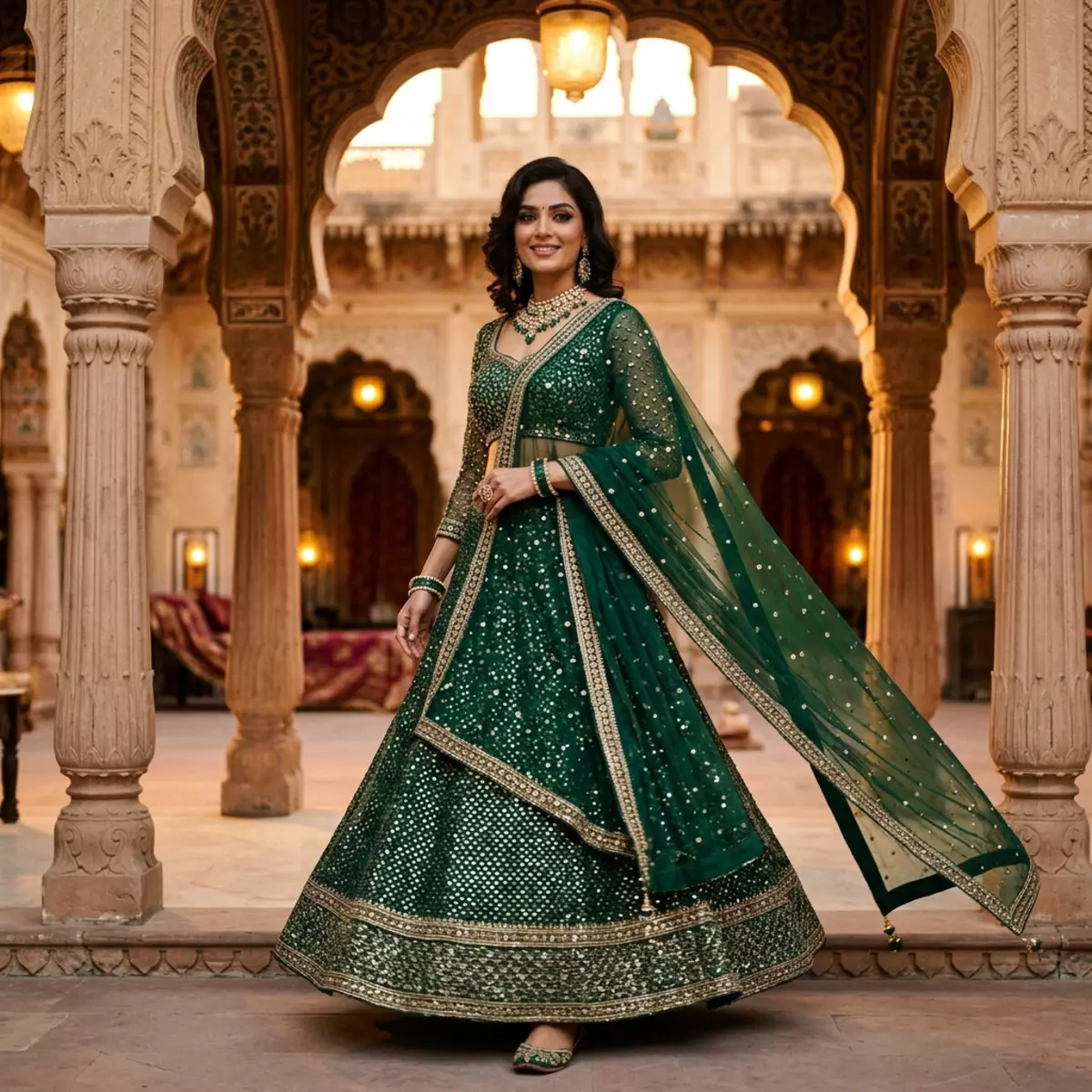
LilPicks Jaipuri Gota Patti Lehenga
Authentic Rajasthani Gota Patti work on cotton lehenga. Lightweight, breathable, and vibrant for young fashionistas.
Ethnickoti Editorial. (2026). "Future of Fashion 2026: 7 Revolutionary Trends You Need to Know". Ethnickoti Boutique. Retrieved from https://ethnickoti.com/blog/future-of-fashion-2026
Design Your Own Legend.
Order custom-tailored sherwanis, lehengas, and kotis crafted by master artisans.
Request Custom OutfitCurated Picks

You Might Also Like
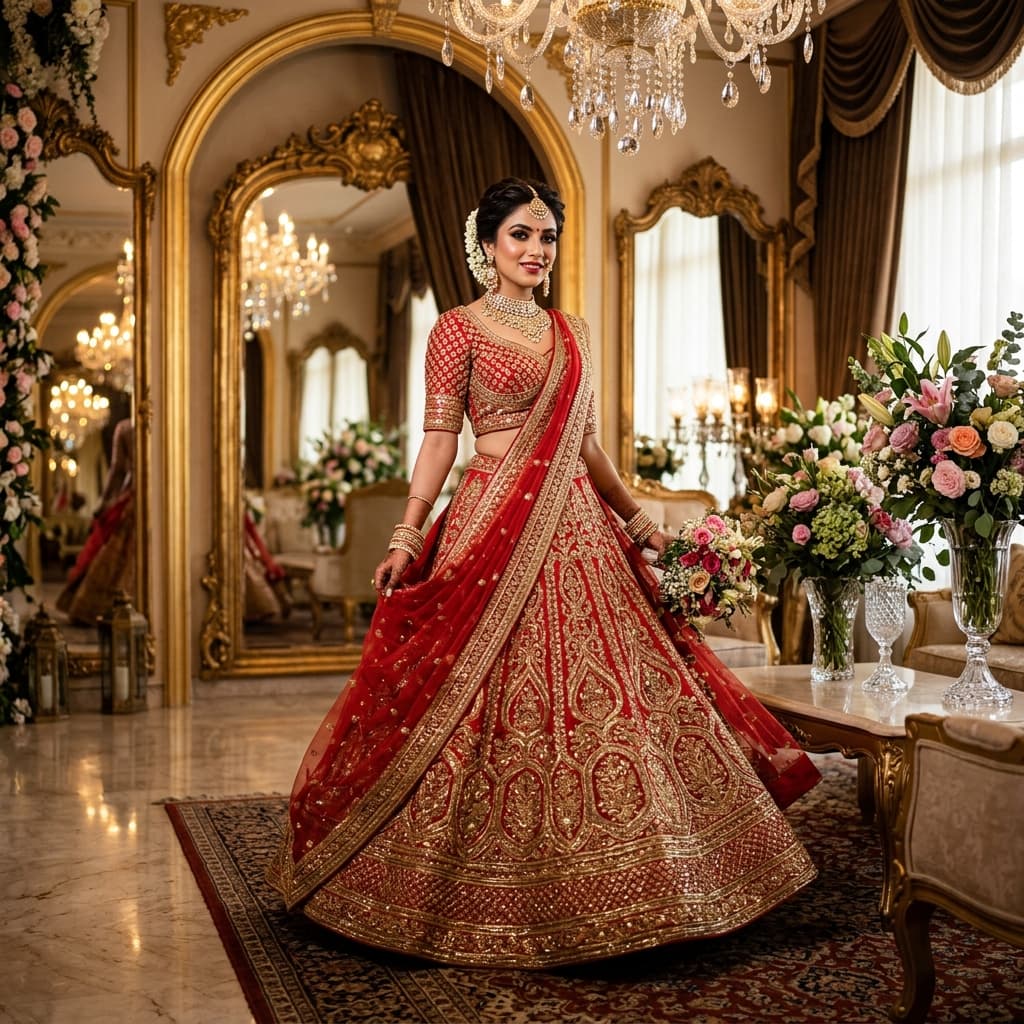
Top 3 Affordable Ethnic Sets Under 2000: The 2026 Luxury Redefinition
Luxury doesn't always mean a heavy price tag. We curate the best designer-grade ethnic sets currently blooming on the market under 2000 with a deep-dive into fabric and silhouette.
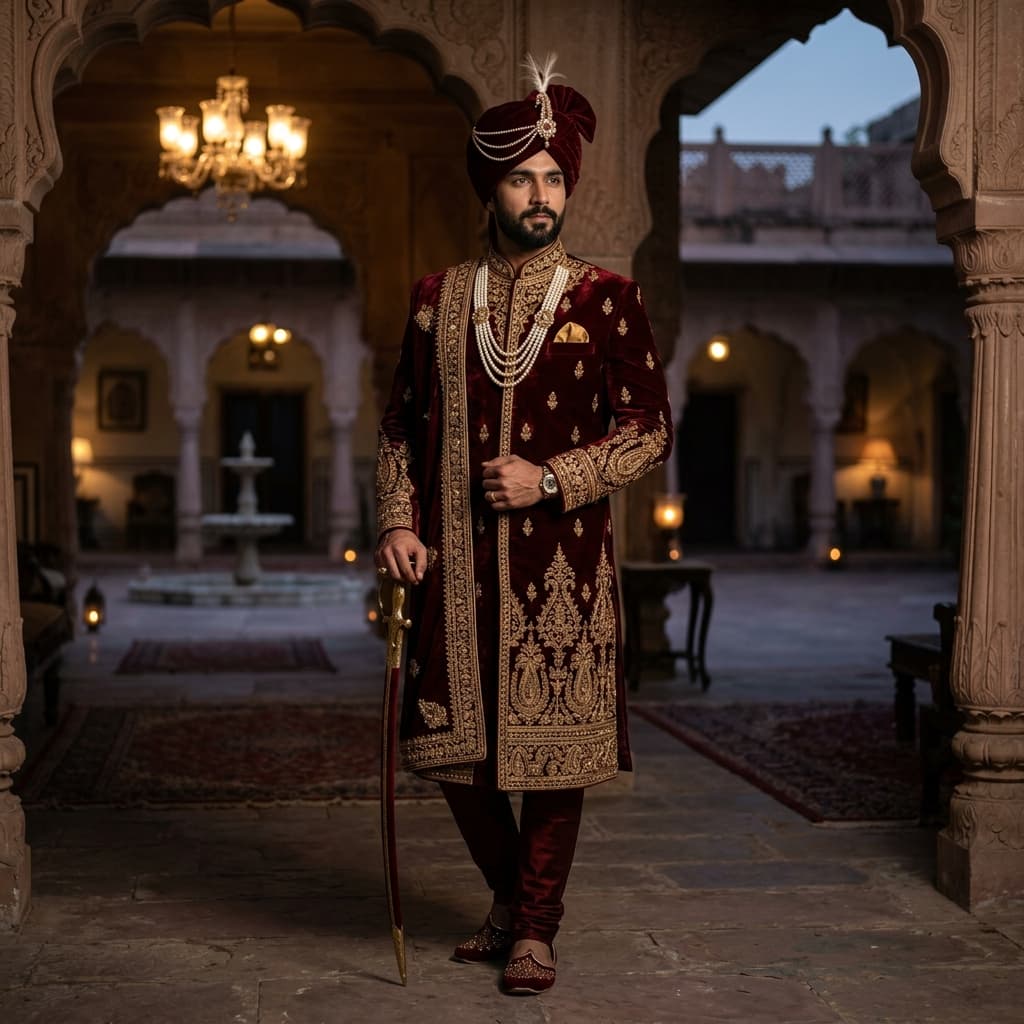
The Royal Sherwani Guide 2026: Best Sherwani Trends in India
Explore the evolution of the Sherwani in 2026. From smart-fabrics to heritage Zardosi, discover how to choose the perfect regal ensemble for the modern groom with our 2000+ word deep-dive.
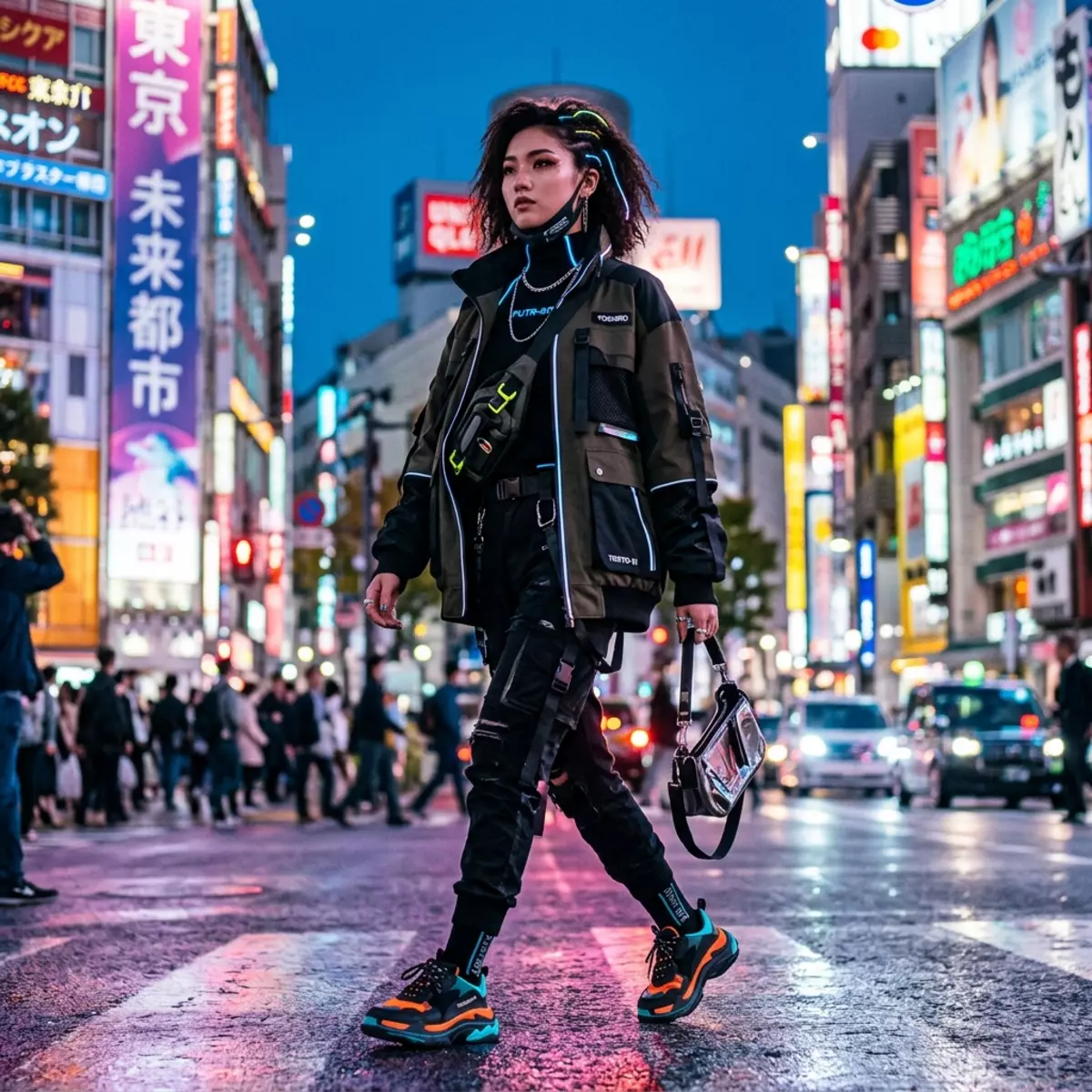
Urban Renaissance: The Sophisticated Evolution of Streetwear 2026
Streetwear has reclaimed its roots of rebellion while embracing the precision of luxury tailoring. Discover the 2000-word analysis of the new urban luxury aesthetic.