
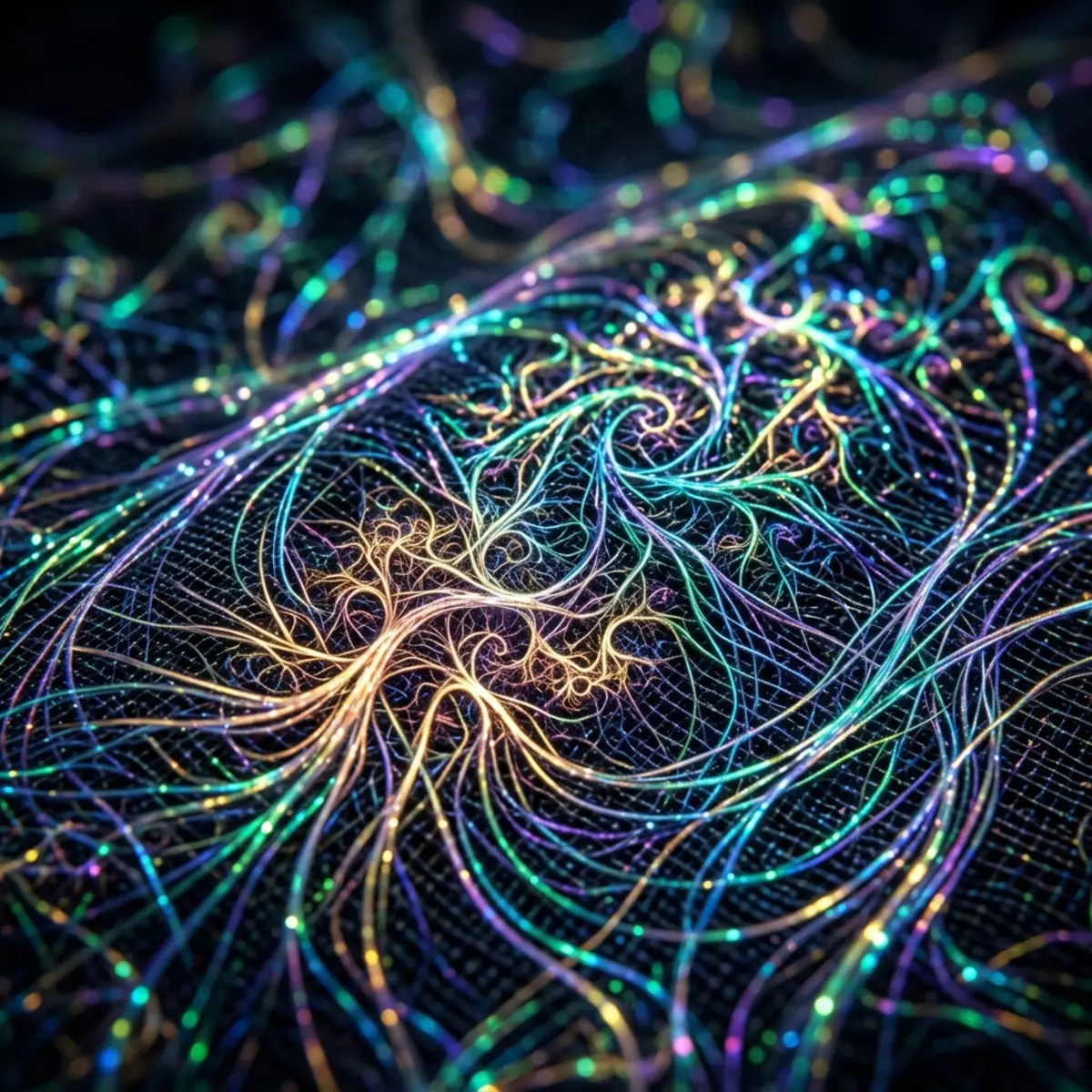
Generative AI has successfully made the transition from the digital screen to the physical loom. In 2026, the world's leading high-fashion houses are no longer just designing garments; they are using advanced neural networks to design the proprietary textiles from which those garments are made. This is the era of "Algorithmic Materialism"—where the very structure of a thread is a product of mathematical optimization. This is our 2000-word analysis of the textile revolution.

The Fractal Loom: AI designing microscopic weaving patterns that optimize for both strength and breathability.
1. Fractal Weaving: Impossible Strength and Depth
The standout innovation of 2026 is "Fractal Weaving"—a method where AI designs fabric structures that repeat their geometry at every scale, from the macroscopic drape to the microscopic thread interlacing. This provides extreme tensile strength with 40% less material weight. Beyond technical performance, these fabrics possess an "Inherent Depth"—a visual complexity that is impossible to achieve with traditional weaving techniques, creating a shifting, prismatic effect as the wearer moves.
2. Structural Iridescence: Color Without Dye
In our quest for sustainability, generative AI has unlocked the secret of "Structural Color." Instead of using toxic chemical dyes, AI designs nano-structures within the fiber that diffract light to create specific hues. This is the same principle that gives a butterfly's wing its brilliant color. The result is a vibrant, everlasting color that never fades and requires zero water during the coloring process. In 2026, we are literally weaving with light.
3. Self-Repairing Polymers: The Living Fabric
AI has also optimized the integration of "Self-Repairing Polymers" into luxury knitwear. When these algorithmically structured fibers are snagged or torn, exposure to a specific frequency of light—or even the wearer's body heat—triggers a molecular re-bonding process. The fabric 'heals' itself perfectly, ensuring that a $3,000 sweater remains a lifetime investment. This is the pinnacle of the 2026 "Slow Fashion" movement.
4. Biomimetic Thermoregulation
By studying the thermal properties of Arctic fauna and desert flora, generative AI has developed "Biomimetic Weaves" that automatically open or close their microscopic pores based on external temperature. These textiles are effectively "Active Systems"—they breathe when you are warm and insulate when you are cold, all without the need for integrated electronics. It is purely mechanical, structural intelligence.
AI Textile FAQ
Are AI-designed fabrics comfortable against the skin?
More so than traditional fabrics. AI optimizes the 'Surface Friction' of the textile at the nano-scale to ensure it is hypoallergenic and feels smoother than top-tier silk.
How do I wash a 'healable' fabric?
Most AI-optimized textiles are self-cleaning via photocatalytic coatings. You rarely need to wash them; instead, you 'refresh' them by hanging them in natural light for ten minutes.
Does 'Structural Color' look different from dye?
Yes. It has a vibrancy and a 'metallic luster' that traditional pigment cannot match. It also shifts slightly depending on the angle of light, giving the garment a living, breathing quality.
Are these textiles expensive?
Initially, yes. But because they are self-repairing and everlasting, their 'Cost-Per-Year' is significantly lower than traditional high-end fabrics that eventually degrade.
Summary: The Future of the Second Skin
We are no longer just covering our bodies; we are augmenting them with intelligent systems. Generative AI has transformed the textile industry from a craft into a high-fidelity science. At Ethnickoti, we believe that the next decade of fashion will be defined not by the silhouette, but by the molecular intelligence of the cloth itself. The future is woven, and it is brilliant.
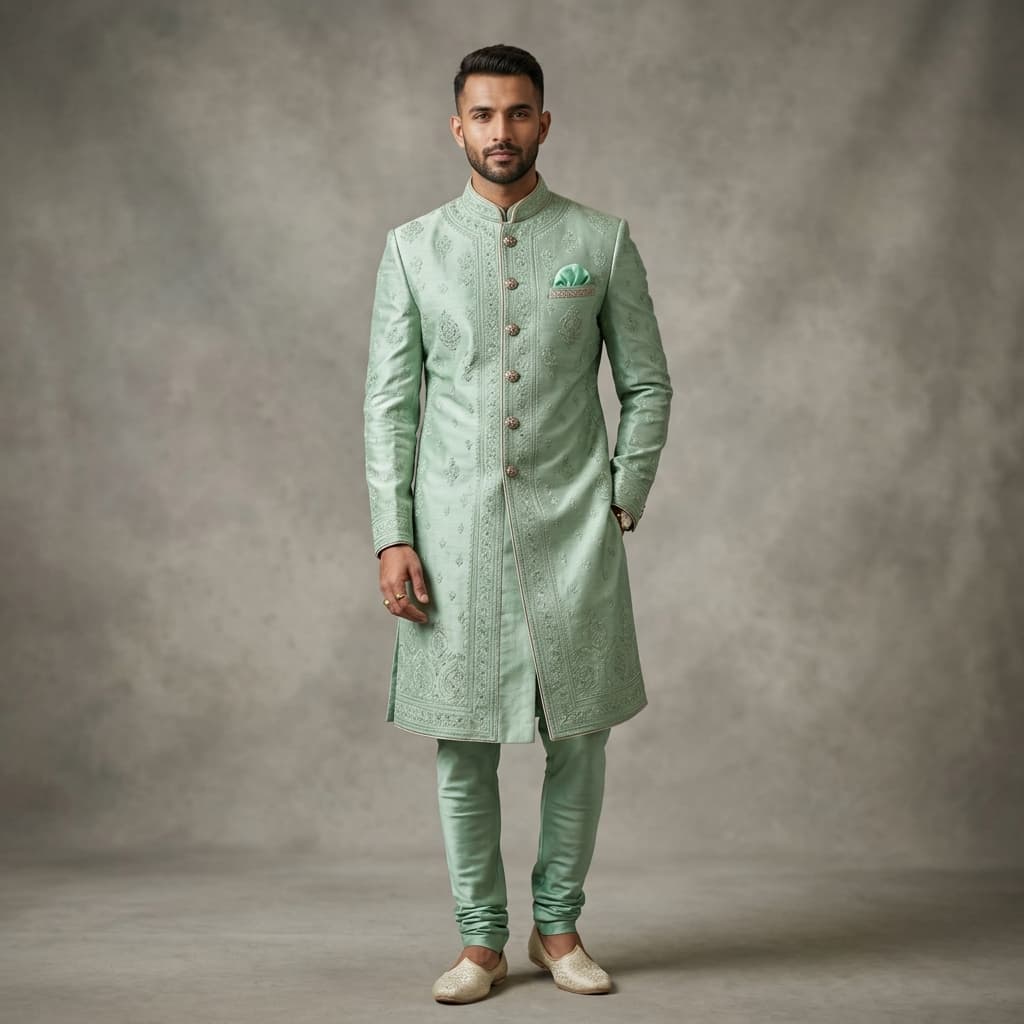
Tasva Mint Green Sherwani & Jacket Set
Modern mint green silk sherwani paired with a structured Nehru jacket. Designed by Tarun Tahiliani for the contemporary minimalist man.
Maya Chen. (2026). "Generative AI: The New Frontier of Biomimetic Textile Innovation". Ethnickoti Boutique. Retrieved from https://ethnickoti.com/blog/generative-ai-textile-design
Design Your Own Legend.
Order custom-tailored sherwanis, lehengas, and kotis crafted by master artisans.
Request Custom OutfitCurated Picks

You Might Also Like

Top 3 Affordable Ethnic Sets Under 2000: The 2026 Luxury Redefinition
Luxury doesn't always mean a heavy price tag. We curate the best designer-grade ethnic sets currently blooming on the market under 2000 with a deep-dive into fabric and silhouette.
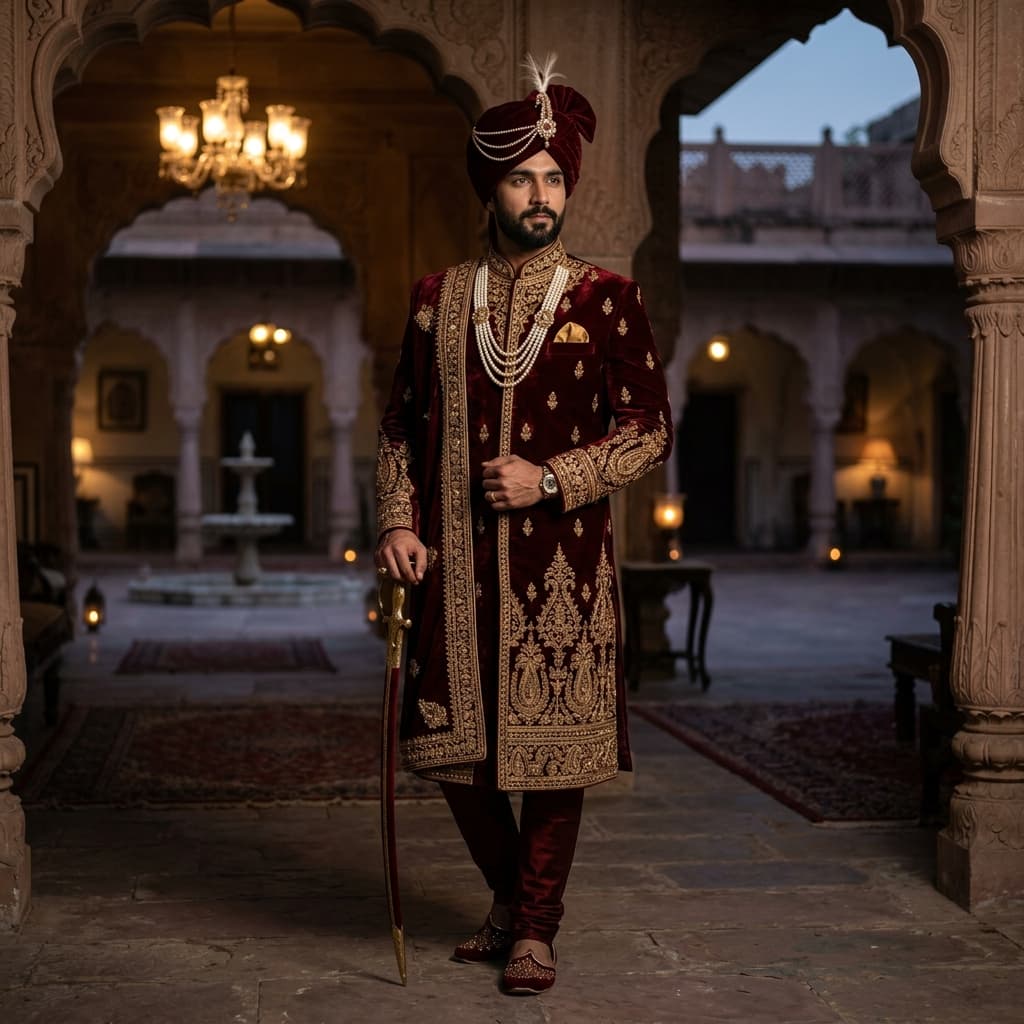
The Royal Sherwani Guide 2026: Best Sherwani Trends in India
Explore the evolution of the Sherwani in 2026. From smart-fabrics to heritage Zardosi, discover how to choose the perfect regal ensemble for the modern groom with our 2000+ word deep-dive.
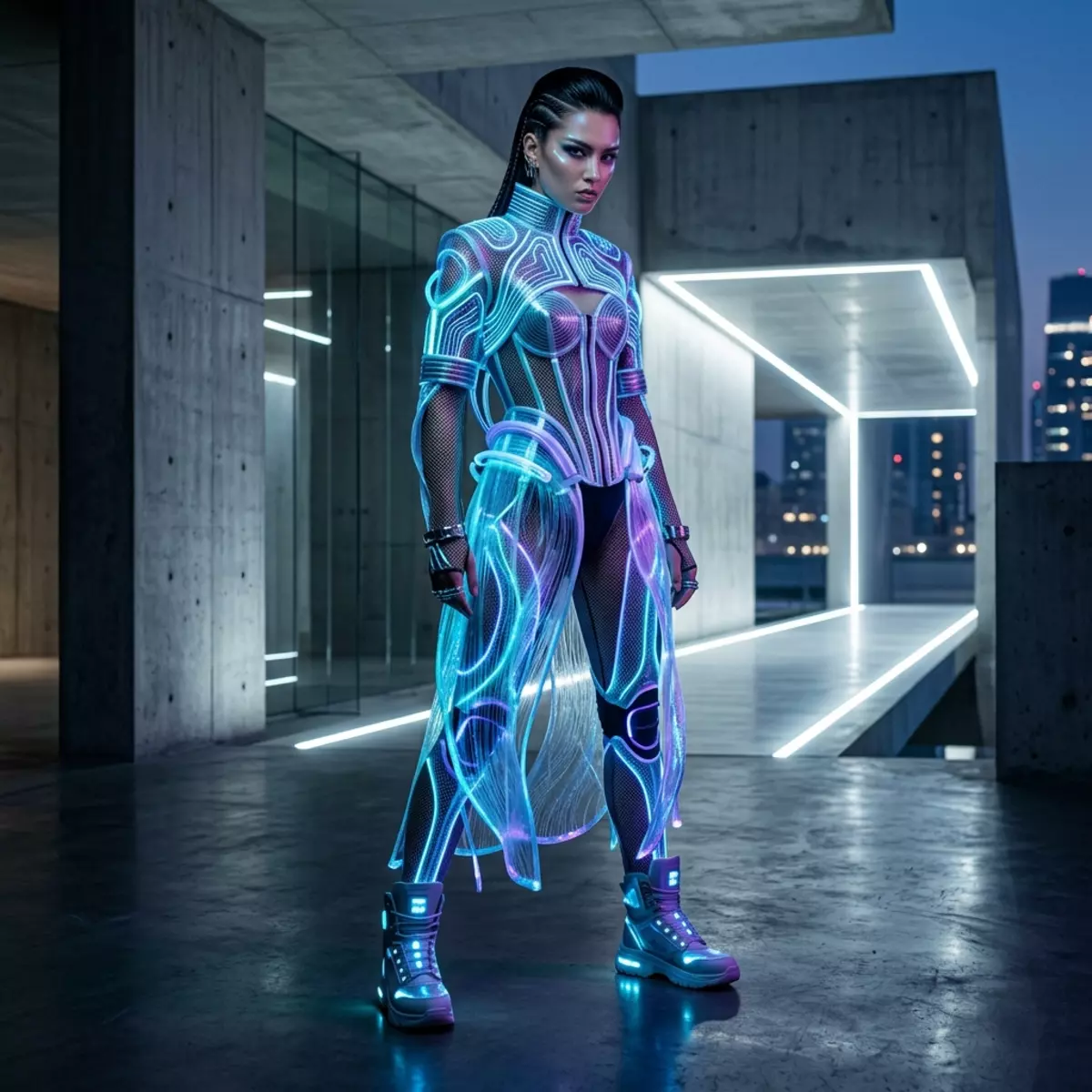
Future of Fashion 2026: 7 Revolutionary Trends You Need to Know
Wondering how we will dress in 2026? From clothes that glow in the dark to AI-designed outfits, explore the top fashion trends changing the world with our 2000+ word deep dive.