
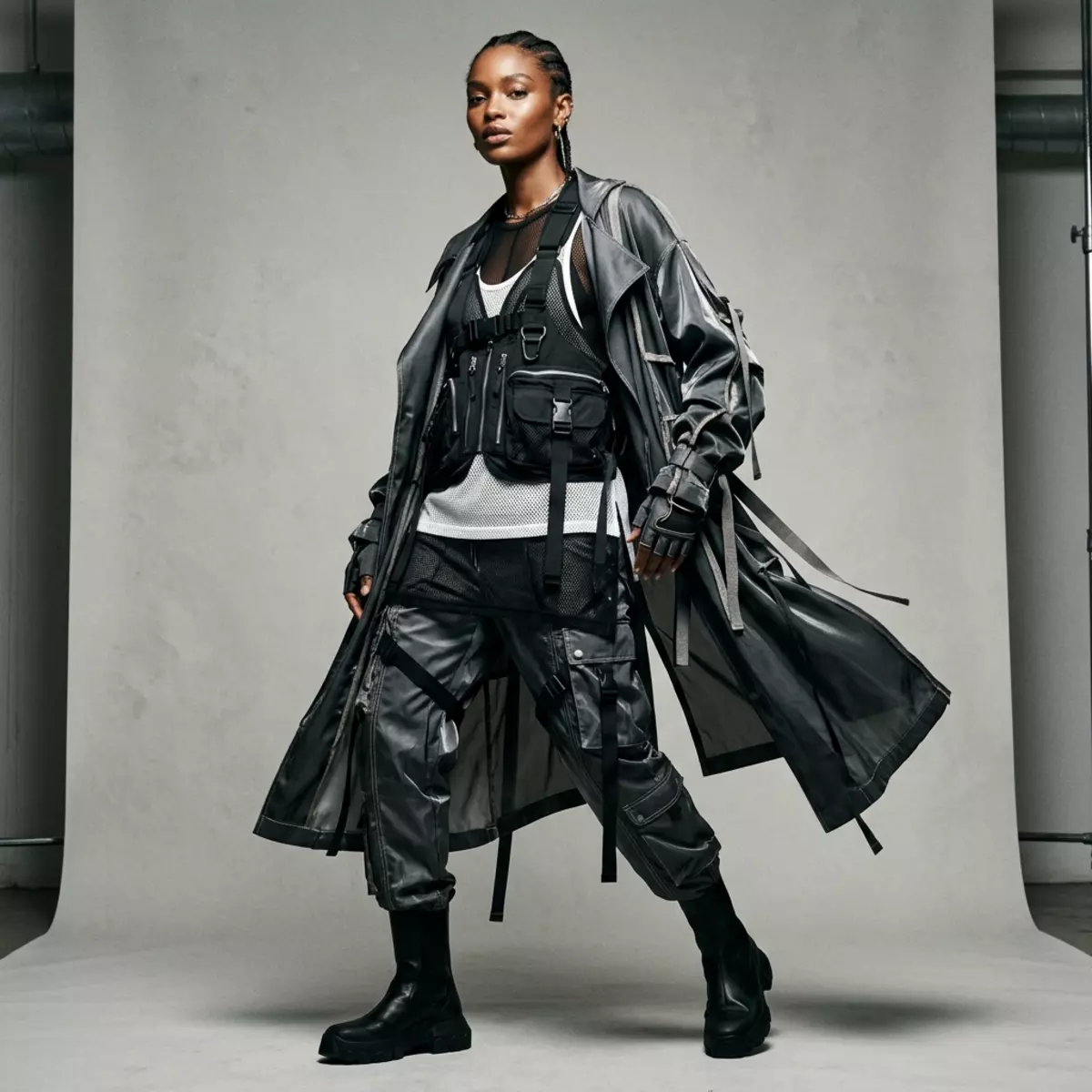
Layering has always been a fundamental part of fashion, but in 2026, it has evolved into something far more intentional and expressive. It is no longer just about adding extra clothing for warmth—it is about creating depth, movement, and structure within an outfit.
This modern approach to layering is often described as “The Architecture of Style”. Just like architecture, every layer serves a purpose. Each piece contributes to the overall design, creating a look that feels balanced, functional, and visually engaging.
In a world where personal style is becoming more refined, mastering layering techniques can instantly elevate your wardrobe. Whether you are dressing for work, travel, or casual outings, understanding how to combine different textures and silhouettes is a powerful skill.
Visible Construction: Layering with Purpose
One of the defining concepts in 2026 fashion is Visible Construction. This means that layers are not hidden—they are intentionally showcased.
Instead of blending everything together, each layer is designed to stand out while still contributing to the overall harmony of the outfit. This approach creates dimension and makes even simple clothing combinations look sophisticated.
The key to visible construction is contrast. By combining different materials, colors, and structures, you can create a look that feels dynamic rather than flat.
The Layering Blueprint
To master layering, it is helpful to follow a structured approach. In 2026, stylists often use a three-layer system that balances comfort, functionality, and aesthetics.
1. Base Layer: The Foundation
The base layer sits closest to the skin and plays a crucial role in comfort. It should be lightweight, breathable, and designed to regulate temperature.
Modern base layers often use sheer tech-mesh fabrics that allow airflow while maintaining a clean, minimal look. These materials are ideal for all-day wear, especially in changing climates.
Neutral tones work best for base layers, as they provide a versatile foundation for the rest of the outfit.
2. Mid Layer: Structure and Identity
The mid layer is where your outfit starts to take shape. This layer adds volume, texture, and personality.
Popular choices in 2026 include modular utility vests, lightweight knits, and structured shirts. These pieces help define the silhouette while adding visual interest.
The mid layer is also where you can experiment with colors and textures. Mixing materials like wool, cotton, and technical fabrics can create a balanced yet distinctive look.
3. Outer Layer: Protection and Statement
The outer layer is the most visible part of your outfit. It provides protection from the elements while acting as the final statement piece.
In 2026, outerwear is becoming more experimental. Translucent shells, structured coats, and lightweight jackets are popular choices.
These pieces often feature innovative materials that offer durability without adding unnecessary bulk.
The Power of Texture Mixing
One of the most important aspects of layering is texture. Combining different textures adds depth and prevents your outfit from looking flat.
For example, pairing a soft knit with a sleek technical fabric creates contrast that feels modern and intentional. Similarly, combining matte and glossy materials can add visual interest.
The goal is to create harmony through contrast—each layer should feel distinct but still connected.
Color Coordination in Layering
Color plays a significant role in layering. While bold combinations can work, it is often more effective to start with a cohesive palette.
Neutral tones such as black, grey, beige, and white provide a strong foundation. From there, you can introduce accent colors to add personality.
In 2026, tonal layering is especially popular. This involves using different shades of the same color to create depth without overwhelming the outfit.
Layering for Different Seasons
One of the biggest advantages of layering is its adaptability. With the right approach, you can create outfits that work across multiple seasons.
In warmer weather, focus on lightweight fabrics and breathable layers. In colder months, add thicker materials and insulating pieces.
This flexibility makes layering a practical and sustainable choice, as it reduces the need for separate seasonal wardrobes.
Common Layering Mistakes to Avoid
While layering offers many benefits, it can also be challenging to get right. Avoiding common mistakes can help you achieve a more polished look.
- Over-layering: Too many layers can make your outfit look bulky and uncomfortable.
- Poor fit: Each layer should fit well to maintain a clean silhouette.
- Lack of contrast: Similar textures and colors can make the outfit appear flat.
- Ignoring proportions: Balance is key when combining different pieces.
How to Build a Layered Wardrobe
Creating a wardrobe that supports layering starts with choosing versatile pieces. Focus on items that can be mixed and matched بسهولة.
Invest in high-quality basics such as lightweight shirts, neutral sweaters, and structured jackets. These pieces can serve as the foundation for multiple outfits.
Adding a few statement items, such as a bold coat or textured vest, can elevate your overall style.
Layering FAQ
How many layers should I wear?
The “Rule of Three” is a reliable guideline: base layer, mid layer, and outer layer.
Can I mix different patterns?
Yes, but balance is important. Pair bold patterns with neutral elements to avoid overwhelming the outfit.
Is layering suitable for all body types?
Absolutely. The key is to focus on fit and proportion to create a flattering silhouette.
Final Thoughts
Layering in 2026 is about more than just clothing—it is about creating a thoughtful and intentional style. By understanding how to combine textures, colors, and structures, you can build outfits that are both functional and visually appealing.
Whether you prefer a minimalist approach or a more experimental style, mastering layering techniques will allow you to express your individuality with confidence.
As fashion continues to evolve, one thing remains clear: great style is built layer by layer.
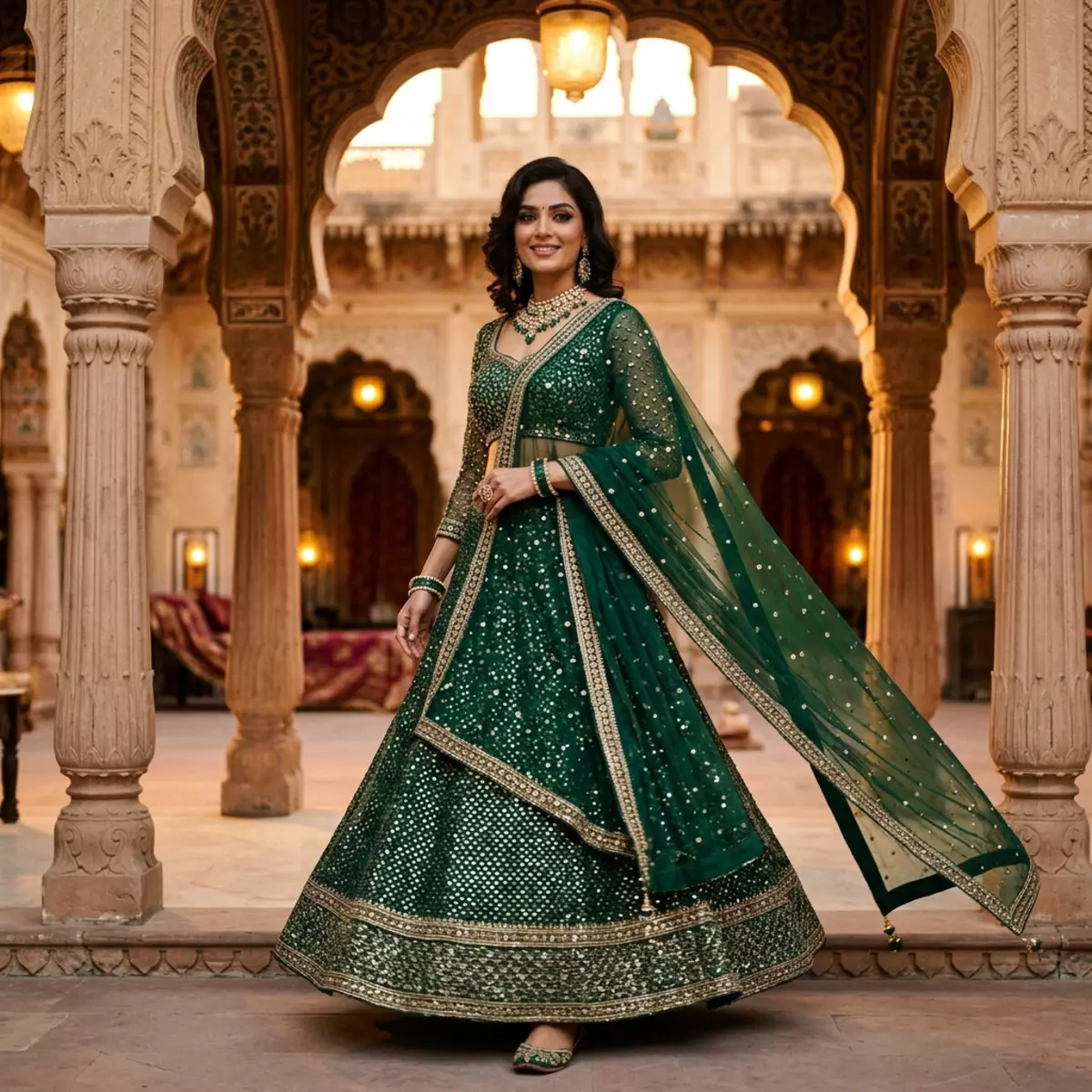
LilPicks Jaipuri Gota Patti Lehenga
Authentic Rajasthani Gota Patti work on cotton lehenga. Lightweight, breathable, and vibrant for young fashionistas.
Maya Chen. (2026). "The Architecture of Style: Mastering the Art of Layering in 2026". Ethnickoti Boutique. Retrieved from https://ethnickoti.com/blog/mastering-layering-techniques-2026
Design Your Own Legend.
Order custom-tailored sherwanis, lehengas, and kotis crafted by master artisans.
Request Custom OutfitCurated Picks
You Might Also Like
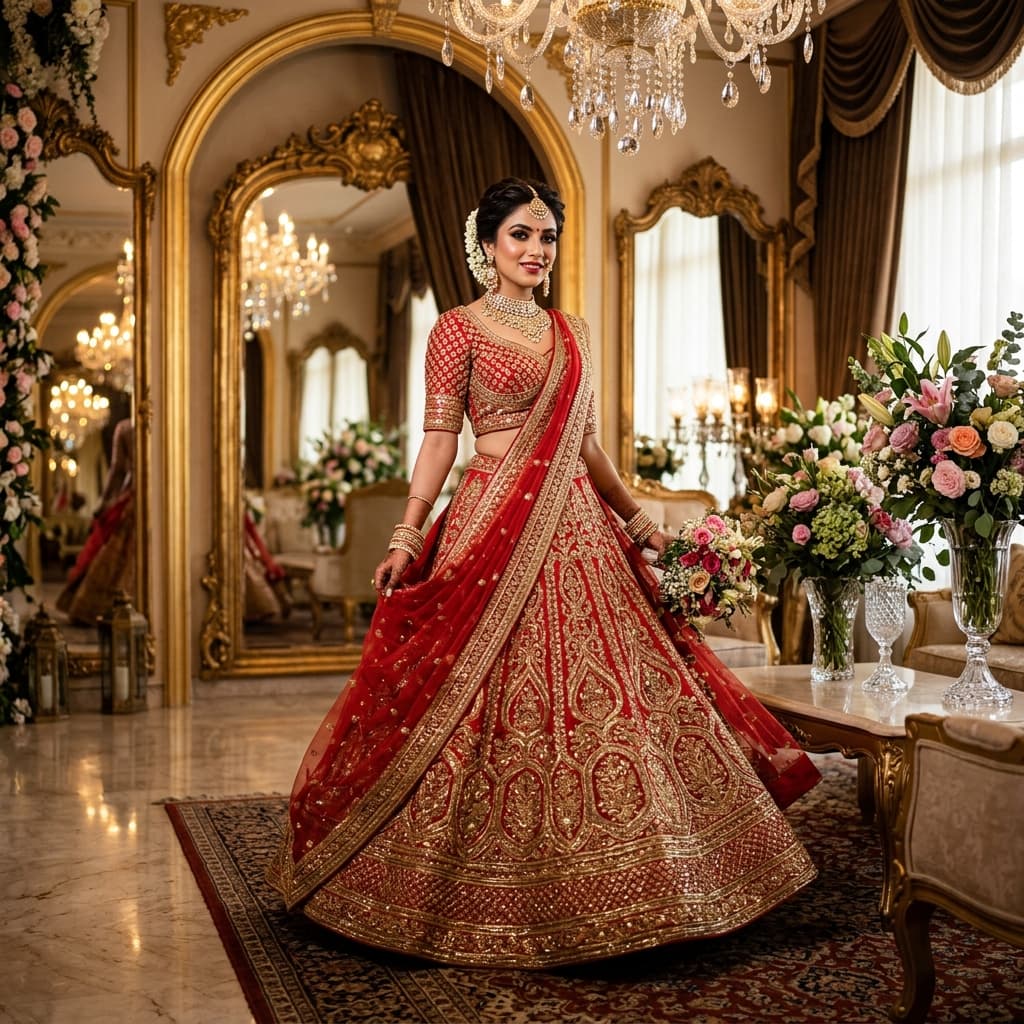
Top 3 Affordable Ethnic Sets Under 2000: The 2026 Luxury Redefinition
Luxury doesn't always mean a heavy price tag. We curate the best designer-grade ethnic sets currently blooming on the market under 2000 with a deep-dive into fabric and silhouette.
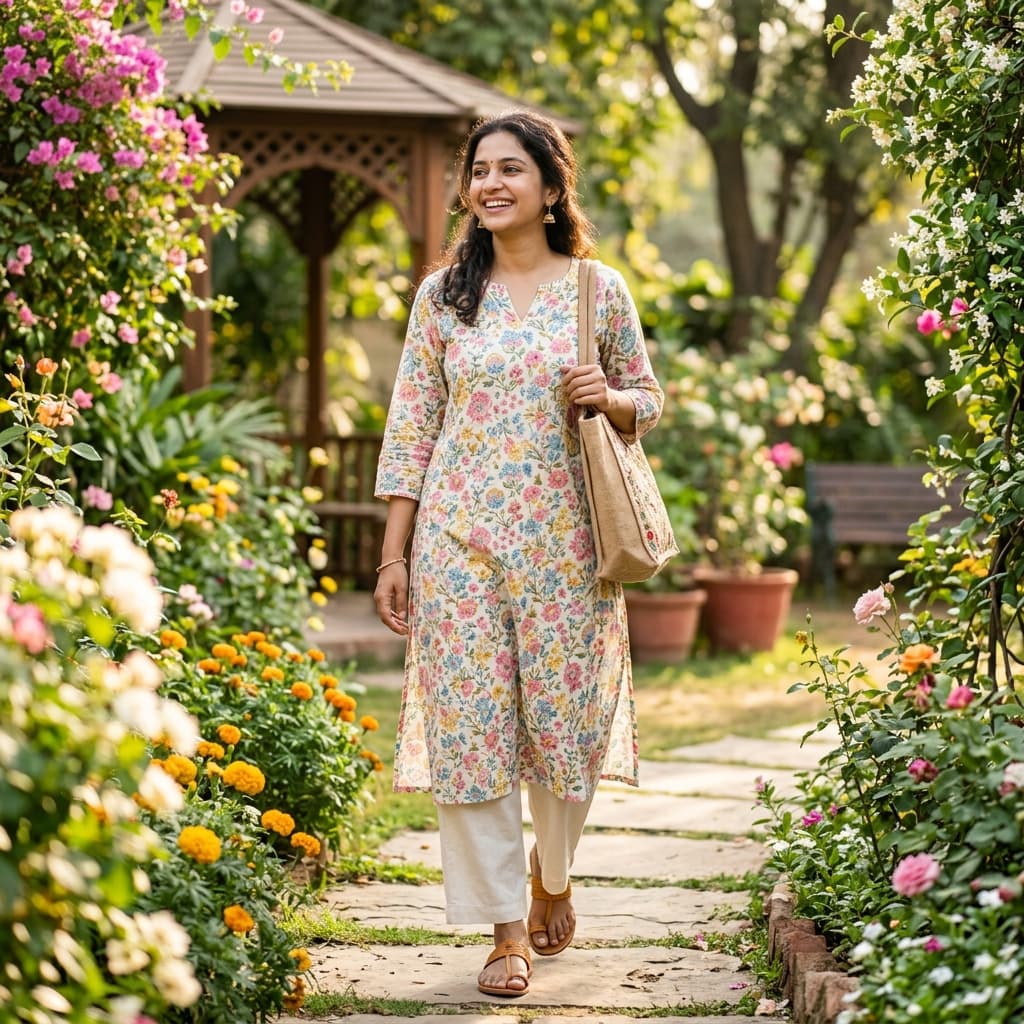
Affordable Ethnic Wear Guide 2026: Styling Kurtas Under ₹1999
Looking for a premium look without the premium price tag? Discover our top picks for affordable ethnic wear and kurtas under ₹1999 for 2026 with a deep-dive into fabric and silhouette.
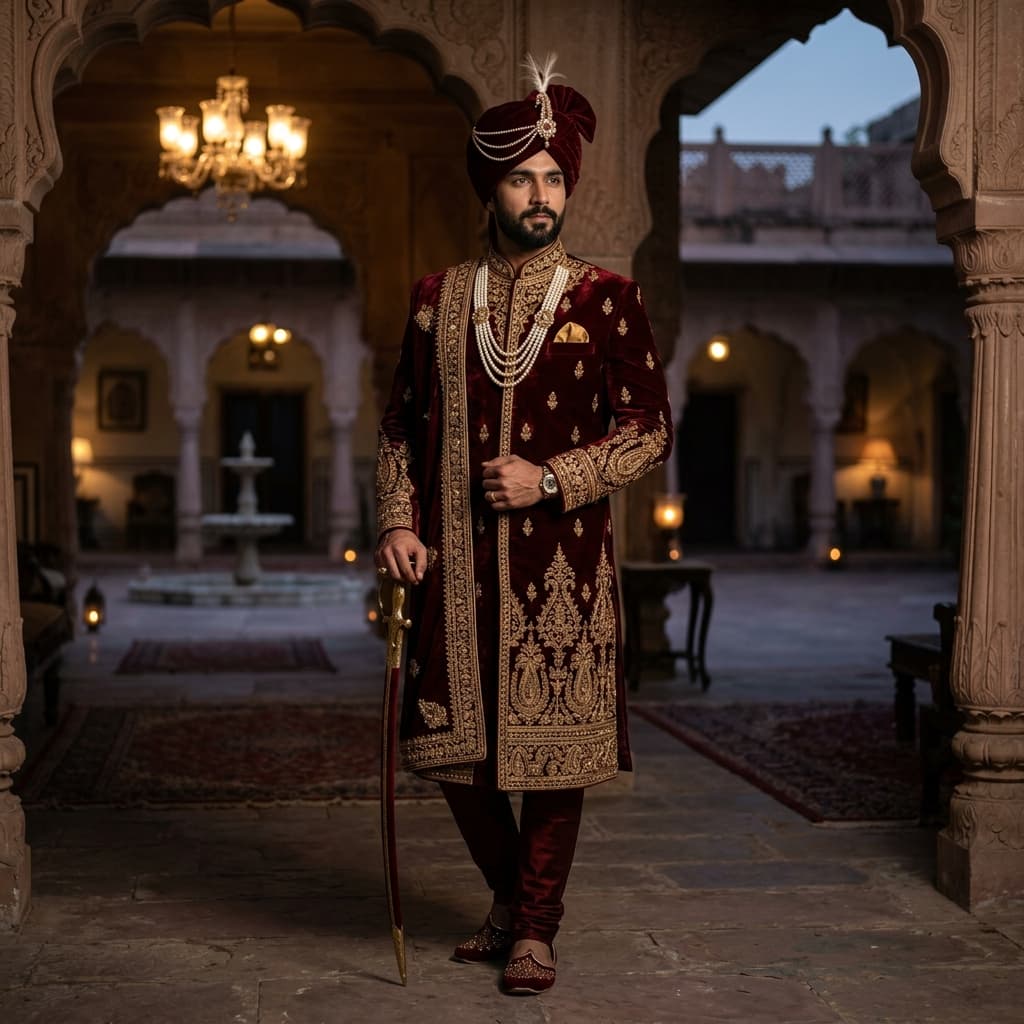
The Royal Sherwani Guide 2026: Best Sherwani Trends in India
Explore the evolution of the Sherwani in 2026. From smart-fabrics to heritage Zardosi, discover how to choose the perfect regal ensemble for the modern groom with our 2000+ word deep-dive.